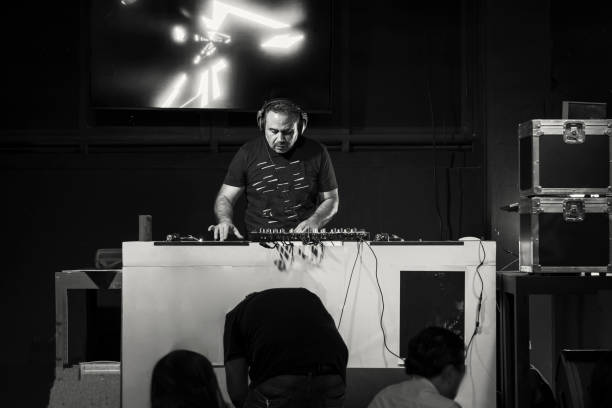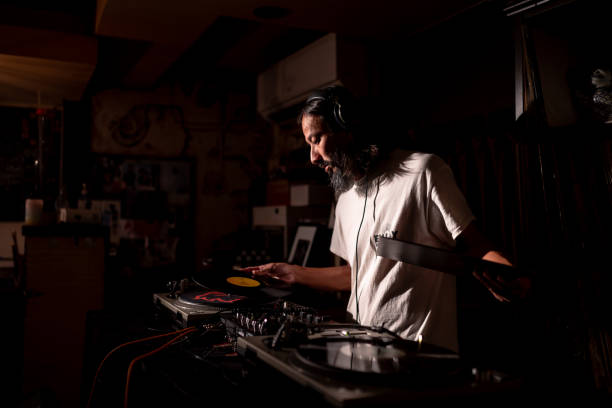
Let’s be real for a second. You’ve stood in a line for forty minutes, paid a cover that could fund a small grocery haul, and squeezed through a sea of phones recording the same drop. The megaclub experience is iconic, sure, but it’s also a little... detached. You’re dancing in a warehouse the size of an airport hangar, watching a DJ who might as well be a hologram, and the bass is so overdriven that every track starts to sound like a washing machine having a tantrum. Now flip that. You’re in a room with maybe a hundred people. The walls are sweating. The DJ is three feet away, adjusting a filter knob you can actually hear click. The sound system isn’t huge, but it’s tuned like a Formula One engine. That’s the micro club. And honestly? It might be the best way to experience electronic music as a living, breathing thing.
Micro clubs are the underground’s answer to stadium pandemonium. They’re not trying to impress you with laser rigs or confetti cannons. Instead, they bet everything on acoustics, curation, and proximity. Walk into a place like the legendary Berlin basement that used to be a boiler room, or a Tokyo speakeasy tucked behind a ramen shop, and you immediately get it. The room is small enough that the sound waves hit your chest directly, no delay, no muddled reflections. Every hi-hat is a crisp little slap. Every sub-bass kick travels from the speaker cone through the floorboards into your heels. There’s nowhere to hide. You can’t retreat to the back bar and scroll your phone. You’re in it, physically and sonically. That forced intimacy changes the way you dance, the way you listen, the way you connect with strangers who are suddenly sharing the same sweat molecules as you.
The lineup at a micro club is also a different beast. Because the venue is small, promoters can take risks. You’re not getting the same identical tech-house loop that’s been hammered at every international festival. Instead, you’ll hear a DJ stretch a hypnotic groove into a forty-minute shapeshift, dropping in field recordings, oddball acid lines, or a drum break that feels like a private secret. The vibe is more like a conversation than a performance. The DJ watches your reaction in real time, adjusts the tension, lets a track breathe longer just because someone near the booth is visibly losing their mind. That exchange is impossible when you’re two hundred feet away from the artist. Micro clubs are where DJs actually test new material, where they abandon the “bangers only” playbook and trust the crowd to follow them down a weird side passage. And the crowd, because they chose to be in a damp little box at 3 a.m., is usually locked in. No tourists chatting over the drop. No one filming the entire set. Just bodies moving together like one pulse.
What makes micro clubs a bucket-list essential isn’t just the sound or the sets. It’s the community ecosystem. You see the same regulars. You learn the bouncer’s name. The bartender remembers your usual. There’s a certain grit, an unfiltered honesty that gets sanitized out of bigger venues. A micro club doesn’t have VIP sections, which means a longtime fan can stand right next to a visiting producer. That flattening of hierarchy breeds a special energy. You’re not a consumer watching a show. You’re a participant in a shared ritual. Some of the best nights of your life will happen in a room that looks like someone’s renovated basement, with a smoke machine that’s a little too aggressive and a fridge stocked with cheap beer. And you’ll treasure it way more than the time you sweated through a three-hour marathon in a neon cathedral.
For your global clubbing bucket list, zoom in. Skip the superclubs in Las Vegas and Ibiza. Find the tiny venue behind an unmarked door in Reykjavik, the queer collective squat in Berlin, the hardware-focused studio club in Lisbon. Look for spaces that hold maybe fifty to two hundred heads, where the DJ booth is on the same level as the dance floor and the sound system cost more than the building. Those are the places that’ll rearrange your internal chemistry. Micro clubs are proof that bigger isn’t better, it’s just bigger. What you want is a room that hears you, that holds you, that makes you feel every frequency like it was engineered specifically for your body. That kind of closeness is rare. And once you chase it, you’ll never look at a giant LED screen the same way again.