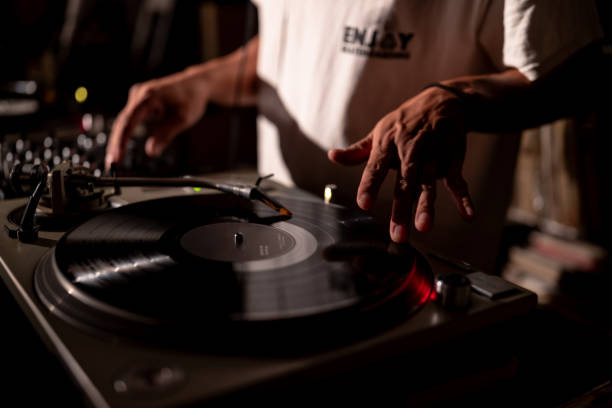
Let’s be real for a second. The days of slapping your DJ name on a cheap Gildan tee and calling it a day are dead. Like, so dead that even your uncle’s cover band knows better. If you want merch that actually sells—not just to your mom and your three biggest fans—you need to stop thinking of merch as a product and start thinking of it as a souvenir from a feeling. Your audience doesn’t want a walking billboard. They want a piece of the night they just lived through, something that whispers “I was there” when they’re wearing it to the grocery store next Sunday. That’s the secret sauce. That’s the vibe.
So what does that look like in practice? First off, ditch the idea that a logo needs to be the center of everything. The most successful DJ merch right now feels like it belongs to a micro-culture, not a corporate brand. Think about Peggy Gou’s tiger motif or Fred Again..’s blurry, raw emotional aesthetic—those designs aren’t just logos, they’re language. They communicate something about the person wearing them. When you’re building your merch, ask yourself: does this piece spark a conversation? Would a stranger stop someone on the street and ask where they got that? If the answer is no, you’ve made a T-shirt. If the answer is yes, you’ve made a totem.
And let’s talk about drops. Scarcity is your best friend. You don’t need a permanent store with two hundred mediocre items sitting in a warehouse. You need a limited drop that sells out in forty-eight minutes and has people refreshing your page like it’s the last pair of Travis Scott sneakers. This creates a FOMO loop that makes your merch feel like a ticket to an exclusive afterparty. But here’s the catch—you have to actually deliver quality. That means heavyweight cotton, unique cuts, embroidery that won’t fall apart after two washes, and maybe a few unexpected pieces like a utility vest or a reflective bucket hat. When people pay fifty bucks for a tee, they’re not paying for the fabric. They’re paying for the story, the scarcity, and the feeling that they’re inside your inner circle.
Now, the real magic happens at the gig. That’s your native ecosystem. You’ve probably noticed that online stores can be cold, but selling merch face-to-face after a set is like handing someone a memory in physical form. So don’t just throw a table in the corner and hope for the best. Make the transaction an experience. Have a moment where you personally thank every single person who buys something, sign it with a weird doodle that means something only you and your fans understand, and maybe throw in a custom sticker or a polaroid from that night. The merch becomes a relic of a shared moment. And when they wear it, they’re not just repping your name—they’re repping the way you made them feel when the bass dropped and the lights went crazy.
Another angle that’s fully underrated? Collaborating with local visual artists or even your fans. Instead of designing everything yourself, open a submission window for your community to pitch a piece of art that represents your sound. Then produce the winner as a limited run. Not only do you get fresh ideas and a design that’s guaranteed to resonate with your core audience, but you also give that creator a platform. That builds a network of goodwill that no amount of paid ads can buy. Plus, when the artist’s friends and followers share the drop, your reach multiplies organically. It’s a win-win that feels genuinely authentic in an era where that word gets thrown around way too loosely.
Don’t sleep on sustainability either. Your fans are Gen Z and Millennial—they care about the planet. If you’re producing piles of polyester crap that ends up in a landfill, they’ll smell that greenwashing from a mile away. Instead, do small runs of eco-friendly pieces, use biodegradable packaging, and be transparent about your process. That’s not just ethical, it’s smart. People are willing to pay more for merch that doesn’t trash the Earth, especially if it’s tied to an artist they love. Turn your merch into a statement about who you are, and your fans will wear that statement on their sleeves—literally.
Finally, remember that the best merch is the merch you’d actually wear yourself. If you wouldn’t rock it at your own show, or while chilling at a café in Berlin, then don’t put it out there. Your merch line is an extension of your taste, your personality, and your musical journey. When you treat it like an art project instead of a money grab, people feel that. They’ll wear your stuff with pride, post it on their stories, and become walking ambassadors for your brand. That’s how you go from being a DJ with a table full of unsold tees to being a curator of a lifestyle that people want to buy into. The dance floor ends, but the merch lives on. Make it count.