Your first mix doesn’t need to be festival-main-stage perfect. It just needs to happen. Pick two songs you actually love, ideally in the same genre and within a few BPM of each other. If one is 124 BPM house and the other is 128 BPM techno, that’s workable. If one is 90 BPM hip-hop and the other is 174 BPM drum and bass, maybe save that chaos for later. The goal is simple: make one track flow into the next without the dance floor doing the confused side-eye.
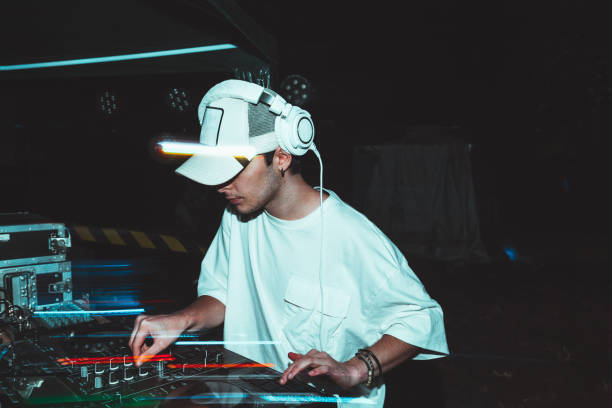
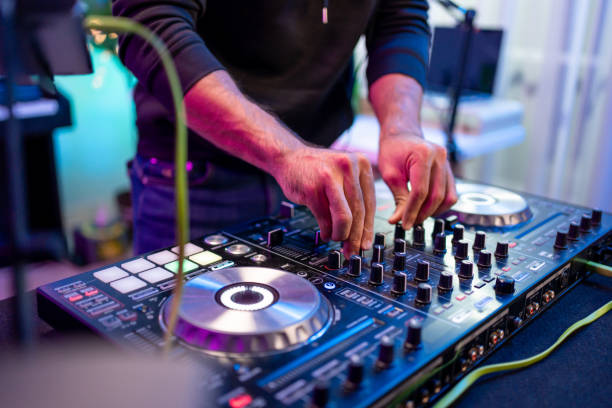
Set your gear up so you’re not fighting it. Whether you’re on CDJs, a controller, or a laptop with a DJ app, make sure both decks show waveforms, BPM, and pitch faders. Put your headphones on with cue mix set so you can hear one deck in your ears while the master plays out loud. If you’re fully in headphones, that’s fine too. Just know which ear is hearing what. This is your cockpit. Don’t touch the crossfader yet.
Load track one on deck A and press play. Let it ride. Feel the groove. Count the beats in your head: one two three four, one two three four. Most electronic music moves in phrases of eight, sixteen, or thirty-two beats. That’s your secret map. You’re not just matching kicks; you’re matching sentences. A mix that lands on the first beat of a new phrase sounds intentional. A mix that lands in the middle of a bar sounds like you tripped over the aux cord.
Now cue track two on deck B. Find the first kick or the start of the intro. Hit cue so it’s ready. Start deck B in your headphones, not in the master. Listen to both tracks. Are the kicks landing together or flamming like two shoes in a dryer? If track B is faster, nudge its pitch fader down. If it’s slower, nudge it up. Tiny moves. You’re not trying to yank the tempo; you’re trying to convince two songs to hold hands.
This is beatmatching. Yes, sync exists. Use it if you want. But learning to do it by ear is the glow-up. It teaches you to trust your ears instead of staring at a screen. When the kicks lock, you’ll feel it. The two tracks stop sounding like separate songs and start sounding like one weird, beautiful organism. That’s the moment. Let it breathe for a few bars.
Next comes the blend. Bring track two into the master with the channel fader, not the crossfader, if you can. Slowly. You’re introducing a new character to the party, not kicking the door down. Keep track two’s bass EQ pulled down at first. Two basslines at once can turn your mix into mud. Let the mids and highs come through. Once the phrase lines up, swap the bass. Cut track A’s low end and bring in track B’s low end. That’s the bass swap. It’s the move that makes a transition feel clean instead of cluttered.
If it sounds rough, don’t panic. Nudge the pitch. Twist the jog wheel gently. Use the EQ to hide the mess while you fix it. Watch your gain lights, too. If everything is redlining, the mix will sound crunchy in a bad way. Keep the levels healthy. Every DJ has trainwrecked. The trick is making it look like you meant to do that. Smile. Ride the filter. Drop the highs. Then bring the next phrase in when it feels right.
When track B is fully in, fade track A out slowly over a phrase. If track A has an outro, let it exit politely. If it has vocals, wait for the vocal to finish or use an instrumental section. You don’t want two singers battling for the mic. Once track A is gone, you’ve done it. You’ve made your first mix. It doesn’t have to be perfect. It has to be yours.
Record it. Listen back. You’ll hear stuff you missed in the moment: the kick drifting, the bass swap a bar late, the moment it actually clicked. That’s data, not failure. Repeat with the same two songs until the blend feels automatic. Then switch one song out and do it again. The first mix is not about proving you’re a DJ. It’s about proving you can listen, adjust, and keep the vibe alive. Now go cue up track three. The floor is waiting.