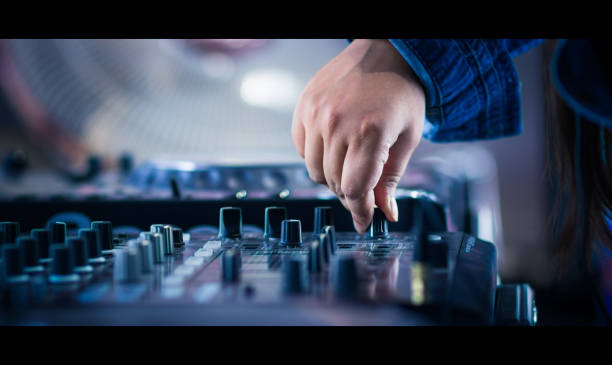
The set is over. The crowd is still screaming, confetti stuck to your hoodie, and your heart is doing 140 BPM even though the last track faded out. Then you walk backstage, and it hits you: the hollow feeling. Your hands are shaky, your thoughts are racing, and suddenly you could cry or nap or text your ex or all three. That’s the post-set crash. It’s not you being dramatic. It’s your nervous system wondering why the rocket just shut off mid-orbit. Backstage brain management is how you land without spiraling.
DJing is a full-body adrenaline sport disguised as vibing behind a mixer. For an hour or three, you’re reading a crowd, making split-second choices, hearing every frequency, and managing lights, monitors, and maybe a drunk person requesting “Sandstorm.” Your brain floods with dopamine, adrenaline, and cortisol. Then the music stops. The stimulation drops off a cliff. Your body doesn’t get the memo. It keeps pumping chemicals like the set is still going. That mismatch is why you can feel wired, anxious, irritable, and empty all at once. It’s a sensory hangover before the hangover even starts.
The culture doesn’t always help. Backstage can be a revolving door of shots, blunts, fans, and promoters. Afters can feel mandatory, like skipping them means you’re not really about the life. But if every set ends with a chaotic crash, your brain starts to associate something you love with feeling terrible. That’s how burnout sneaks in. The goal isn’t to become a monk. It’s to build a soft landing.
Start with a post-set plan. Not a rigid routine that kills the fun, just a few defaults. The first thirty minutes after you leave the booth are prime time. Decide ahead what you need. Maybe water and electrolytes before any alcohol. Maybe a protein bar, a shower, or ten minutes of silence. Maybe a walk around the block with noise-canceling headphones and no music. The point is to signal your nervous system: we’re safe, we’re done, we can come down now.
Breathwork sounds like something a wellness influencer would say while holding green juice, but it works. Try breathing in for four, out for six or eight. Longer exhales tell your vagus nerve to chill. If you’re too amped, do a body scan. Feel your feet on the floor. Roll your shoulders. Unclench your jaw. Name five things you can see, four you can touch, three you can hear. It pulls your brain out of the highlight reel and into the room.
Boundaries are huge. Tell your crew or promoter you need twenty minutes before photos, interviews, or afters. It’s not diva behavior. It’s maintenance. If you’re sharing a green room, create a signal. Headphones on means don’t talk. Hood up means processing. A simple “I’m in recovery mode” can save you from pretending to be ON when your battery is at two percent. Real ones will get it.
Social media is another crash trigger. Do not open Instagram and watch clips of your set while comparing your transition to someone else’s festival closing. Wait until morning. If you want to remember the night, write three lines in your phone. What felt good. What felt messy. What you want to try next. Keep it a vibe check, not a performance review.
If you’re traveling or playing multiple nights, sleep is your real headliner. Blackout curtains, earplugs, eye mask, and no caffeine after 2 p.m. can be the difference between functioning and feeling like a ghost. Alcohol might knock you out, but it wrecks deep sleep. Hydrate like it’s your job. If crashes start feeling like depression, panic, or relying on substances to come down, talk to someone. A therapist who gets touring and nightlife is part of your kit, same as USB backups and good headphones.
The long game is resilience. Regular sleep, movement, therapy, boundaries, and a community that doesn’t only text when they need a guest list. Not every night is a headline set. Not every after is mandatory. You can love the chaos and still protect your brain. The best DJs come down, recover, and show up again with something left to give. Backstage brain management is a skill, like beatmatching. Practice it until it’s muscle memory.