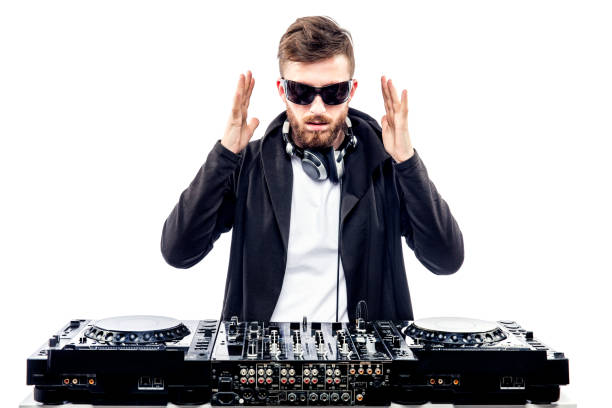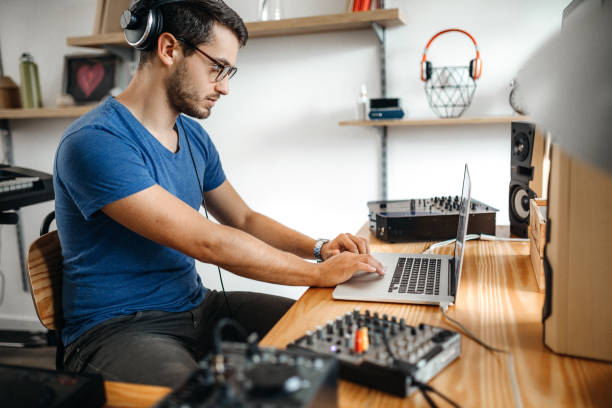
The streaming revolution didn’t just add a webcam to the DJ booth. It rewired the whole vibe. For a generation raised on Twitch, TikTok Live, YouTube, Instagram Live, and Discord, going live from the bedroom is no longer a backup plan. It’s the main stage. You can beatmatch on CDJs at a warehouse, or you can open OBS, plug in a controller, and play to a chat full of usernames from six time zones. Both are real. Both can slap. The difference is that streaming turns a DJ set into a broadcast, and a broadcast into a community.
The old path was narrow. You needed a club residency, a radio slot, a mixtape that got passed around, or a friend who knew a promoter. Streaming blew that up. Now the algorithm can put your set in front of thousands of people while you’re still in socks. But attention is fickle. The feed doesn’t owe you anything. To keep people watching, you need more than clean transitions. You need a point of view. Lighting, camera angles, overlays, emotes, weird background art, a catchphrase, a pet in the corner. The stream is a room, and you’re the host. That means you’re DJing, yes, but you’re also moderating, producing, and doing tech support when the audio cuts out.
The technical side is where a lot of new DJs get humbled. Latency, bitrate, copyright strikes, and audio routing can wreck a vibe fast. You learn to run a wired connection, set up an audio interface, keep backup tracks offline, and test your levels before going live. Chat wants to request songs, vote on the next genre, or spam emotes when a drop hits. That can be fun, but too much interaction can break the flow. The best stream DJs treat chat like an energy source, not a script. They read the room through messages and emojis, then answer with a blend, a loop, or a cheeky rewind. It’s call-and-response, just digital.
Discovery works differently too. A single transition can become a TikTok clip. A wild blend can get clipped, shared, and stitched. Track IDs become treasure hunts. Shazam becomes a group activity. Streaming also lets people see the process: the sweat, the failed mixes, the reloads, the “oops” moments. That transparency builds trust. It makes the DJ human. With stems, live remixing, and controllerism, the stream can be part production class, part party, part reality show. The audience doesn’t just hear the finished product. They watch it get built.
Money is still messy. Subs, bits, donations, memberships, Patreon, Bandcamp links, merch drops, virtual tip jars—there are more ways to earn, but none are guaranteed. Platform licensing deals change, VODs get muted, and copyright claims can nuke a whole archive. Some DJs run paid Discord rooms, exclusive mixes, or virtual raves. Others use streaming as a top-of-funnel move: build a fanbase online, then sell tickets to real-world shows. The stream can pay rent, but it usually works best as part of a bigger ecosystem. Club gigs, festivals, brand collabs, and private events still matter.
Community is the secret weapon and the hidden cost. A live chat can be the coziest corner of the internet or a cesspool of trolls. Mods are essential. Boundaries are essential. So is logging off. Bedroom streaming can be isolating, even when you’re surrounded by notifications. Comparing viewer counts can mess with your head. Traveling DJs stream from hotel rooms and airports, chasing Wi-Fi and wondering what time zone their body is in. Wellness isn’t a buzzword here. It’s hearing protection, sleep, stretches, real friends, and taking breaks before burnout turns your passion into a chore.
The future is hybrid. Low-latency tools, spatial audio, virtual clubs, and AR dancefloors will keep blending the physical and the digital. But the dancefloor still matters. A stream can reach the world, but a room can move a body. The DJs who thrive will be the ones who can do both: rock a crowd and a chat, mix with intention, and make people feel seen whether they’re two feet away or two thousand miles away. The streaming revolution made DJing more accessible, more democratic, and more demanding. The culture is still about connection. The signal just travels farther now.