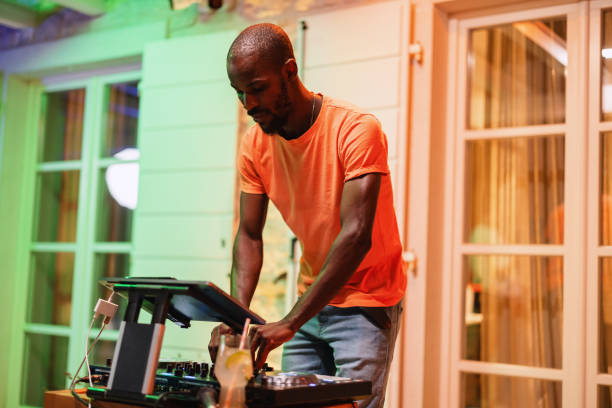
There’s something straight-up magical about dropping an acapella into a live mix and watching the room shift gears. You’re not just playing tracks anymore; you’re stitching vocals into the fabric of the night. Layering acapellas live isn’t about showing off your library—it’s about creating moments that feel impossible, like the vocalist is literally in the booth with you. The trick is to treat every acapella as a raw instrument, not a finished product. When you understand that, you stop messing with the pitch and start messing with emotions.
First up, you gotta vibe check your key. Nothing kills a live layer faster than a vocal that clashes with the instrumental underneath. Your ear is your best tool, but don’t sleep on the software. Modern DJ software like Serato and Rekordbox can light up the key of your tunes, but acapellas are trickier—they often have no harmonic base to analyze. So train your ears to hear whether a vocal sits sweet or steps on the sonic toes of the track. A minor third up or a perfect fifth down can turn a janky mismatch into a head-nodding blend. Think of it like adding hot sauce—you want heat, not a fire alarm.
Now, space is the secret sauce. Acapellas recorded in a sterile studio can feel flat and tiny when thrown over a fat club beat. Live layering is all about giving those vocals depth and dimension. Hit that reverb like it’s your best friend, but use it with intention. A long, dreamy wash on a soulful vocal can make the crowd sway; a tight, slapback delay on a hip-hop hook adds punch and urgency. Build filters into your chain too—a low-pass filter on the acapella creates an understated, muffled vibe that sits behind the drop, then sweep it open for a instant serotonin spike. You’re not just blending frequencies; you’re sculpting air.
The real pro move is looping sections of an acapella on the fly. Grab a hot phrase—say, a gospel-style “Oh-oh-oh” or a snappy “Yeah!”—map it to a pad or sampler, and drop it over a breakdown that’s building momentum. Layering those chops rhythmically can turn a plain beat into a percussive vocal stutter that hits harder than any drum fill. It’s like beatboxing with someone else’s voice. And don’t forget the power of the counter-melody: stack a different vocal line underneath the main hook, slightly offset from the phrase grid, to create a call-and-response that feels genuinely live. That tension between the original melody and your new layer is what makes the crowd lose their minds.
Sometimes the boldest move is pulling the instrumental out entirely. Let a stripped-down acapella ride solo for four bars, then bring the bass back in exactly on the beat. That silence and anticipation is a DJ’s strongest weapon. The crowd’s brain fills in the missing rhythm, and when you drop that kick drum again, the dopamine surge is real. You’re not just mixing tracks; you’re arranging people’s expectations.
Keep your ears on the crowd, not the cue monitor. If you notice them singing along, lean into that—loop the chorus and layer it with an echoing effect so their voices join yours in real time. That participatory moment is what separates a good DJ from a legend. And always, always practice your transitions at home before you unleash them. The worst thing is fumbling a vocal layer in the middle of a peak hour. Have a few go-to acapella tracks that you know cold, learn their phrasing like a mantra, and build your live sets around those anchors.
In the end, layering acapellas live is a conversation between you, the music, and the people on the floor. It’s about honoring the original vocalist while bending their voice into something new and unexpected. No gear can buy that; it comes from patience, creativity, and a willingness to take risks in the moment. So grab your favorite acapella, trust your ears, and start stacking those layers. The dance floor is waiting to hear what you conjure up.