Burning Man sound camps are not your average festival stage. There’s no velvet rope, no bottle service, no corporate activation selling energy drinks. Instead, you get a temporary city in the Nevada desert where thousands of people build art, bikes, camps, and absolutely massive sound rigs just to give away music for free. For DJs, that’s both the dream and the test. You’re not playing for a crowd that paid $400 to see you. You’re playing for burners who have been biking through dust storms, dancing since sunset, and will still lose their minds when the right bassline hits at 6 a.m. It’s less “headline set” and more “contribute to the weirdest, most beautiful block party on Earth.”
Sound camps are the heartbeat of Black Rock City’s nightlife. Think camps like Distrikt, Camp Questionmark, Opulent Temple, and art cars like Robot Heart rolling across the playa with a wall of subwoofers. The genres lean deep house, techno, bass, breaks, and whatever else makes dust vibrate. But the vibe is not just about BPM. It’s about journey. A proper playa set can start slow, get hypnotic, then peak when the sun turns the sky pink and orange. You might play to 20 people or 2,000, and either way, you need to read the room. The “room” is a dusty open-air dance floor with no walls, unpredictable wind, and a crowd that’s half in another dimension.
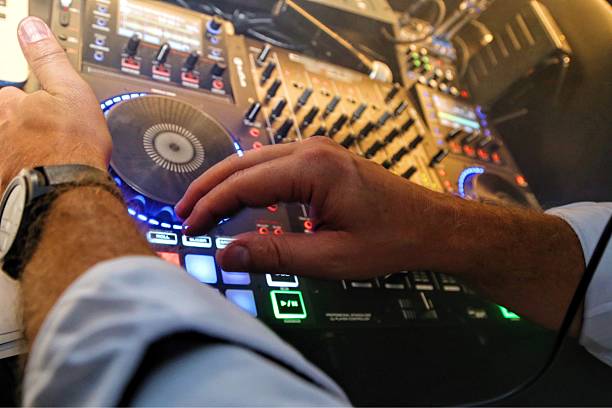
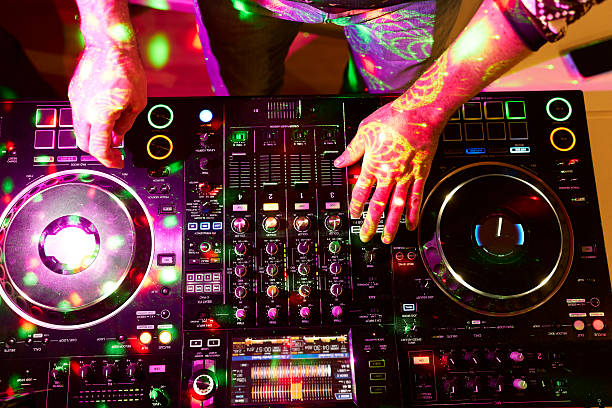
Technically, playing a sound camp is a flex. You might be on CDJs, turntables, or a controller, but don’t assume the setup is cozy. Dust gets into everything. Bring backup USBs, headphones, earplugs, and a dust cover if you can. Monitor speakers might be missing, so learn to cue by ear and trust your phrasing. The sound systems are often absurdly loud and bass-heavy, so watch your levels. Redlining might feel powerful, but it sounds like trash and can blow a speaker. If a whiteout rolls in, keep mixing. If the generator hiccups, laugh and adapt. Radical self-reliance is not a slogan out there.
Etiquette matters more than technical skill. Burning Man runs on gifting, decommodification, and leave no trace. That means no charging for sets, no handing out flyers for your SoundCloud, and no acting like you’re doing the camp a favor. If you’re lucky enough to get a set, contribute. Help load gear, bring water, pick up MOOP, thank the sound crew. Don’t be a plug-and-play DJ who shows up entitled and leaves trash. The best connections come from being a good human, not from having the biggest Instagram following. If you want to play a sound camp, start by joining a camp, volunteering, or playing smaller renegade sets. Build relationships year-round. The playa rewards humility and punishes ego.
Health and wellness are just as important as your library. The desert is brutal. Hydrate with electrolytes, not just water. Eat real food. Sleep when you can, even if FOMO is screaming. Wear goggles, a mask, sunscreen, and earplugs. Protect your hearing, because tinnitus is not a badge of honor. If you’re using substances, test them and pace yourself. Know the signs of heat exhaustion. Take breaks from the noise. The overstimulation can hit hard, especially for traveling DJs who are already running on adrenaline and caffeine. Check in with your friends. Ask for help if you need it. Radical self-reliance doesn’t mean suffering alone.
The magic of Burning Man sound camps is that they’re temporary. Nothing is for sale. Nothing is permanent. The dust will erase the dance floor. But the memories stick. You might trade a sunrise set with a stranger who becomes a lifelong collaborator. You might hear a track that changes your entire artistic direction. You might realize that beatmatching is the easy part—holding space for a crowd in the middle of nowhere is the real skill. So come prepared, come humble, and come ready to give. The playa doesn’t care about your press kit. It cares about your energy. If you can mix through a dust storm, respect the culture, and leave no trace, you’ll understand why DJs keep coming back to the sound camps year after year.