Burning Man sound camps are not a normal festival stage. They are camps and mutant vehicles in Nevada’s Black Rock Desert with absurdly huge rigs, zero official lineup posters, and a schedule that runs on playa time, which basically means whenever the vibe says so. For DJs, it’s a bucket-list moment and a brutal bootcamp at the same time. You don’t get a fancy green room. You get dust in your teeth, wind in your monitors, and a crowd of strangers losing their minds as the sun comes up. It’s chaotic, spiritual, grimy, and low-key life-changing.
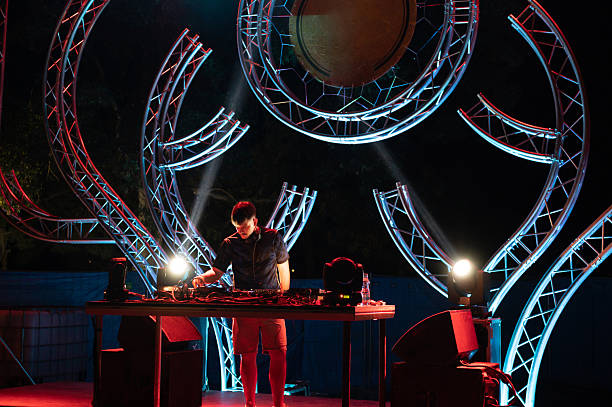
A sound camp is exactly what it sounds like: a theme camp built around serious sound. Along the 2 o’clock and 10 o’clock plazas, camps like Robot Heart, Opulent Temple, Distrikt, Camp Questionmark, and plenty of smaller crews set up Funktion-One, Void, Danley, or similarly serious systems. Mutant vehicles roll around with their own stacks, turning the open playa into a moving club. Music starts after sunset and stretches deep into the next day. You’ll hear house, techno, bass, breaks, psytrance, disco, and weird stuff that doesn’t fit any genre tag. There are no set times, no VIP sections, no bottle service, and no cash. Decommodification is real here. You gift your set. That’s the whole point.
Getting a set at a Burning Man sound camp is not about hitting up a booking agent. It’s about relationships, DMs, camp applications, volunteering, and contributing something real. Maybe you help build shade, run cables, make pancakes at 6 a.m., or carry water for the crew. Camps want residents, friends, and people who understand the assignment. Bring multiple USBs, backup headphones, adapters, and a laptop if you use one, but be ready for gear to get wrecked by dust. You might play to twenty people at 4 a.m. or two thousand at sunrise. Networking is huge, but it can’t feel transactional. Be chill. Be useful. Don’t be a diva. The playa does not owe you a crowd.
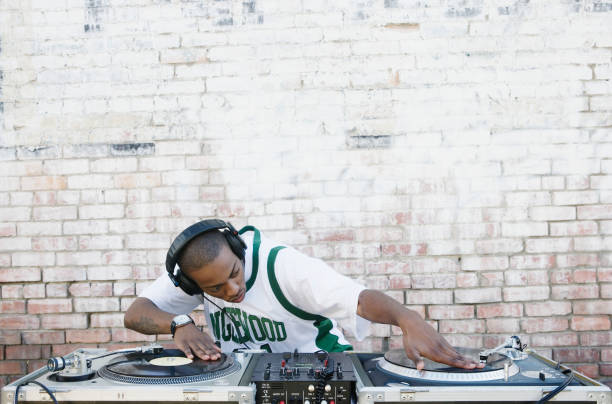
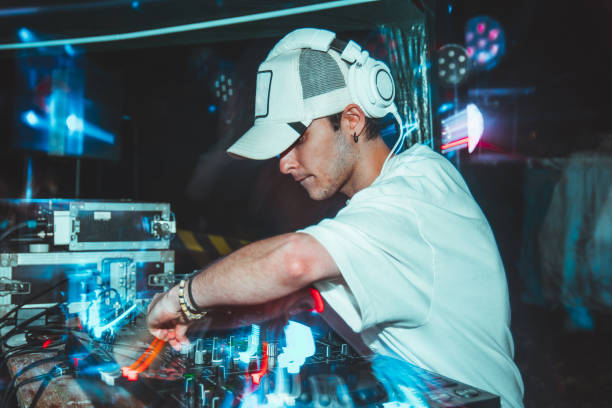
The actual gig is a test of every DJ skill you have and a few you didn’t know you needed. Dust is the final boss. It gets into faders, headphone jacks, and your lungs. Wind can hit hard enough to turn the whole world white, and sound camps sometimes get shut down or turned down when things get too loud. You need earplugs, proper monitoring, and the ability to read a crowd that is not just there for you. Everyone is on their own journey. Sunrise sets are the emotional peak. When the sun cracks over the mountains and the right track drops, it’s giving church but with subwoofers. You don’t need to overthink it. Track selection and timing matter more than showing off tricks.
Survival and wellness are not optional. Traveling DJs love to pretend they can run on adrenaline, vibes, and one protein bar, but the desert will humble you fast. Hydrate with electrolytes, not just water. Eat real food. Sleep in shifts. Don’t go seventy-two hours because you’re afraid of missing out. Dust masks, goggles, sunscreen, lip balm, and earplugs are non-negotiable. Mental health matters too. The overstimulation is real, and the post-Burn crash can hit like a truck. Set boundaries. Radical self-reliance means you can’t expect anyone to save you. Consent is mandatory. Leave no trace is not a suggestion. MOOP, cigarette butts, bottle caps, and glitter all have to go. If you play, you pack out your trash and maybe someone else’s.
Burning Man sound camps have shaped DJ culture in ways that regular festivals can’t replicate. The ethos comes from underground dance floors, where the DJ is a facilitator, not a celebrity. Larry Levan and Frankie Knuckles built spaces where community and release mattered more than VIP lists, and that spirit lives in the dust. At a sound camp, you learn to adapt. No WiFi. No hype man. No preset playlist. Just you, the crowd, and the chaos. It can make normal club gigs feel easy, but it can also ruin regular festivals because you’ll miss the weirdness. The desert doesn’t care about your Instagram. It cares about whether you can keep the vibe alive when the wind picks up and the sun starts rising.
If you’re planning to go, don’t just chase the biggest art cars. Smaller camps have magic too. Volunteer. Bring gifts. Be humble. The playa will humble you anyway. And if you get the chance to play, don’t overthink it. Beatmatch if you can, but track selection and timing matter more. Read the dust, read the faces, and let the moment breathe. That’s the real bucket-list energy.