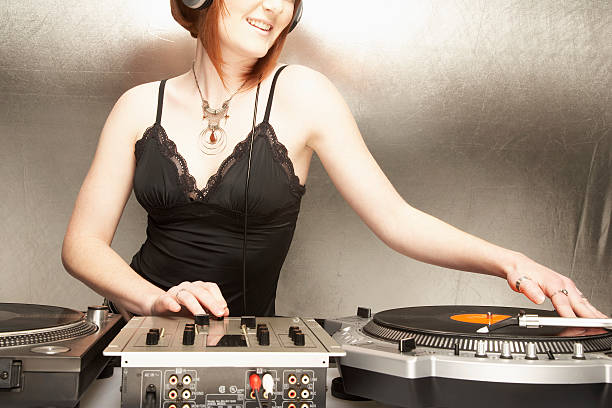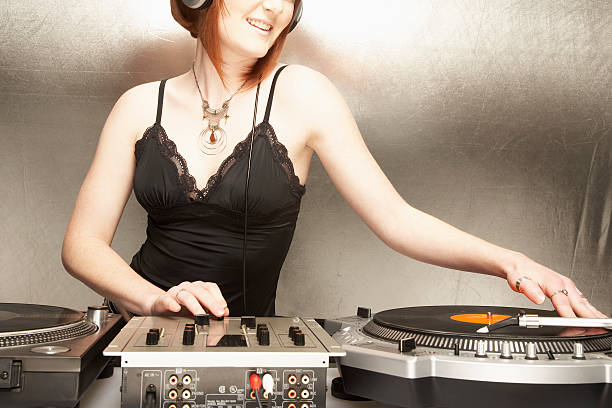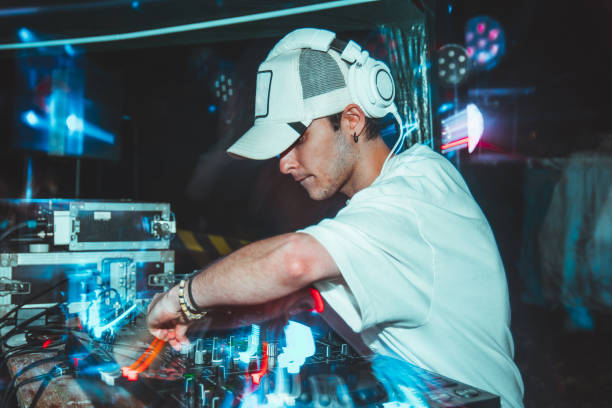
You’re three songs deep into a set, the bassline is doing that thing, and some stranger grabs your shoulder and yells “PULL UP!” like the building is on fire. If you’re new to club culture, it sounds chaotic. If you know, you know: they’re not asking the DJ to stop. They’re asking for a rewind, a reload, a wheel and come again. It’s the dancefloor’s highest compliment, delivered at maximum volume.
Dancefloor slang is its own dialect. It borrows from Jamaican soundsystem culture, UK garage, hip-hop, house, techno, ballroom, and whatever corners of the internet birthed the last viral dance. The words shift depending on city, genre, and who’s holding the aux. But the core function stays the same: it’s a fast, emotional language between the crowd and the person behind the decks. When words are scarce because the beat is loud, slang does the heavy lifting.
“Pull up” might be the most famous. In dancehall, grime, jungle, and drum ’n’ bass, pulling up a track means starting it over from the top. The DJ might physically pull the vinyl back, hit cue, or tap the CDJ. The crowd loses it because the tune is so good it deserves a second entrance. “Wheel up,” “reload,” and “rewind” mean basically the same thing. “Run it back” is the hip-hop cousin. “Wheel and come again” is the full sentence, and “forward” is the opposite. If someone shouts “forward,” they want the DJ to keep it moving. No rewind. Don’t break the spell. Just let the groove ride.
Then there’s “selecta.” In Jamaican patois, the selector is the person choosing the records, often alongside the MC or soundsystem crew. On the dancefloor, yelling “Selecta!” is respect. It means the DJ is reading the room correctly. It can also be a request, like, “Okay, selecta, show us what else you got.” A DJ who gets called selecta all night is basically being knighted by the crowd. “Big up selecta” is the warmer, more affectionate version. It’s the difference between “you’re doing great” and “I would follow you into a basement rave at 4 a.m.”
Other slang describes the energy in the room. “Gassed” means hyped, sometimes too hyped. “Shell down” means the track absolutely destroyed the dance. “Banger” is a weapon; “big tune” is a classic in the making. “Certified” means it’s passed the vibe check. “Let it breathe” is a warning to DJs who talk too much, mix out too fast, or add too many effects. Sometimes the best move is to do less. Let the bassline talk. “Run it back” is not just a request for a replay; it’s a demand for communal memory. We want to feel that drop again, together.
Regional slang keeps things spicy. In Chicago house, “jackin’” describes a body-moving groove that makes you lose your composure. In Detroit, techno fans might talk about “the Belleville three” or “the Detroit sound” without needing a history lesson. In UK garage and jungle, “rewind” is practically a sport. In ballroom, “serving,” “dipping,” and “ha” carry entire histories of performance and survival. The dancefloor is never just one culture. It’s a mashup, and the slang reflects that.
The etiquette matters. Yelling “pull up” after every song is like texting “lol” after every sentence. It loses meaning. Crying “selecta” when the DJ is already stressed isn’t a vibe; it’s just noise. The best dancefloor slang is timed, sincere, and a little bit playful. It says, “I see you, DJ. I’m with you, crowd. This moment is ours.” When someone throws gun fingers or makes the wheel motion, they’re not trying to be cool. They’re participating. They’re adding to the mix.
Learn the language and you stop being a spectator. You become part of the feedback loop. The DJ plays, the crowd reacts, the DJ adjusts, the night mutates. Slang is the shortcut. It’s how a room full of strangers agrees on one thing for three glorious minutes. So next time the bass drops and someone screams “WHEEL IT,” don’t panic. Throw your hands up, make some noise, and let the selecta run it back. That’s not chaos. That’s conversation. And you’re fluent now.