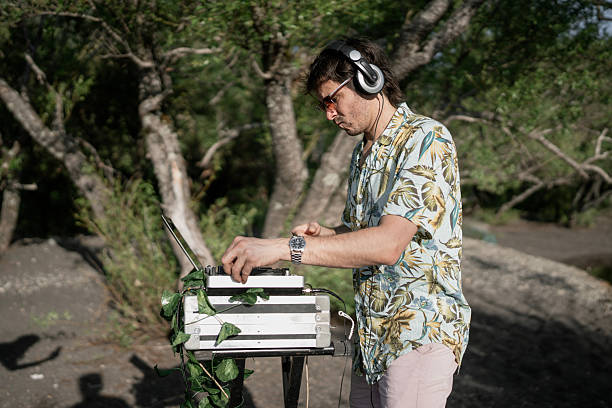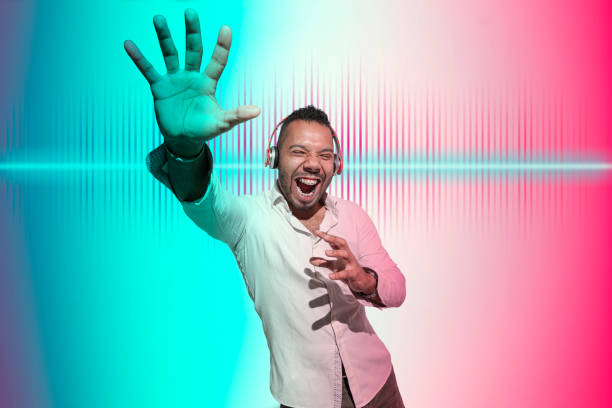
The dancefloor has its own dialect. It doesn’t need a mic. It speaks in hands in the air, in the way a crowd surges forward, in a single person yelling “pull up” before the drop has even finished. For a DJ, that slang is data. It’s the difference between a set that’s cooking and one that’s about to clear the room.
Start with the classics. In jungle, drum and bass, garage, and soundsystem culture, “pull up” or “wheel up” means rewind the track. The crowd isn’t asking politely. They’re telling you the tune is so massive it deserves a second life. “Wheel and come again” does the same job with more swagger. “Forward” is the reggae and dancehall command to move, to surge, to lose your mind on the one. “Selecta” is the DJ. “Big tune” is a banger. “Choon” is a tune so good it deserves vowels. “Gunfinger” is a gesture, not a threat, though it can feel like one when the whole floor points at you during a drop. These words came from Caribbean sound systems, UK raves, and Black dance music cultures that built the blueprint. Larry Levan and Frankie Knuckles didn’t have TikTok slang, but they had the same skill: reading the room in real time. They knew when a crowd was locked in and when it was politely waiting for the bathroom.
Now add the Gen Z and millennial layer. A DJ today might hear “this is giving main character” when a track makes someone feel iconic. “Understood the assignment” means the selection is exactly right. “Ate” means the mix was flawless. “Left no crumbs” means there’s nothing left to criticize. “No notes” is the highest compliment, because everyone online has notes. “It’s giving peak time” is a good thing. “It’s giving 4 a.m. afters” is a different, sweatier thing. “The vibes are immaculate” means don’t touch the EQ, don’t change the tempo, don’t even breathe too loud.
But slang also tells you when you’re losing. “The vibe is off” is a polite warning. “This is not it” is less polite. “I’m sat” can mean someone is sitting down, which on a dancefloor is a crisis. “Who’s this for?“ is a question that can end a career in one sentence. “Trainwreck” is the worst word in the booth. It means the beats crashed into each other like a group chat after a bad take. “Clang” is the sound of a mix going wrong. “Bomb” is a track that empties the floor. “Dead air” is silence where a beat should be. A DJ who ignores these signals is not curating a vibe; they’re doing karaoke with extra steps.
The trick is that dancefloor slang isn’t just words. It’s body language. A crowd that’s “locked in” isn’t checking phones. They’re in the pocket, nodding on beat, eyes closed, lost. A crowd that’s “gassed” is screaming for the rewind. A crowd that’s “feral” is jumping so hard the floor feels like a trampoline. A DJ reads all of it and adjusts. Maybe that means pulling up the same track twice. Maybe it means abandoning the carefully planned closer and dropping the one tune that makes everyone lose their minds. Maybe it means switching from tech house to Jersey club, or from Afrobeats to amapiano, because the floor just told you what it needs.
The best DJs don’t just know slang. They know context. “Pull up” in a London basement means something different than “run it back” at a Brooklyn warehouse. “Forward” in a dancehall set is a directive. “It’s giving” in a festival crowd is a mood. “No notes” from a stranger at 3 a.m. is basically a Grammy. And “one more song” is never just one more song.
So when the floor starts talking, listen. The dancefloor is not a passive audience. It’s a co-DJ. It rewinds, requests, rejects, and rates in real time. The language changes from city to city, from generation to generation, from basement to festival main stage. But the meaning stays the same. Are we locked in, or are we losing them? If you can decode that, you can hold the room. If you can’t, the room will tell you anyway. Loudly.