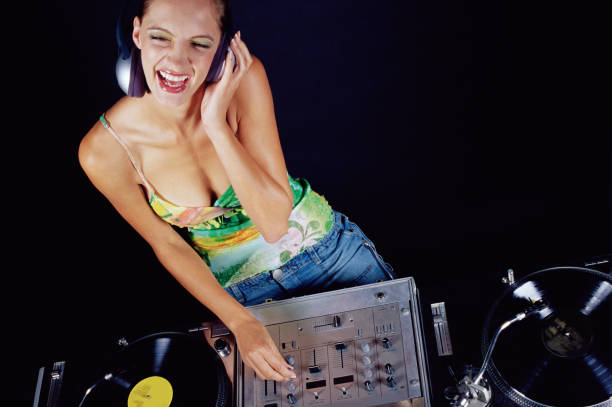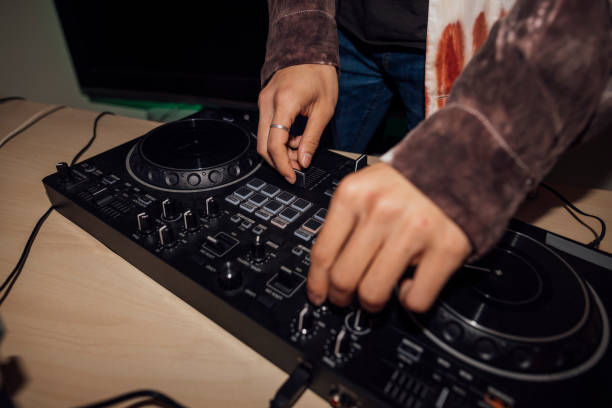
Micro clubs are the secret handshake of global nightlife. They don’t need a giant LED wall or a celebrity DJ posing for the gram. They need a low ceiling, a properly tuned rig, and a crowd that actually came to dance. In a tiny room, every kick drum hits your chest like a personal message. The bass has nowhere to escape. The highs bounce off the walls. And the DJ, who is maybe three feet away from the first row, can read the floor like a group chat. This is the energy that makes micro clubs with big sound the ultimate bucket-list flex.
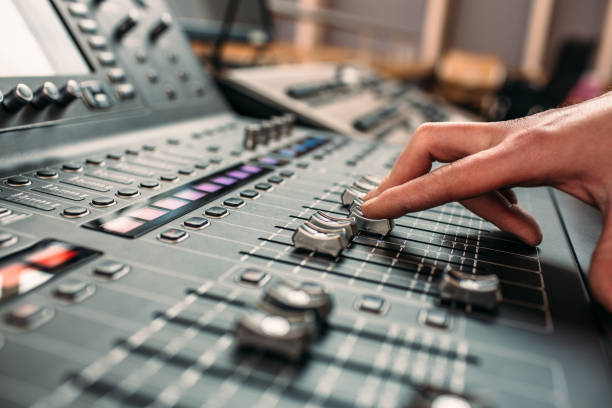
Sound is the whole personality of a micro club. When the room is small, you can’t fake it. A muddy system gets exposed instantly. But a great system in a tight space becomes something almost spiritual. Think Funktion-One stacks, custom horn-loaded subs, or a vintage rotary mixer feeding a wall of speakers. Clubs like Sub Club in Glasgow have been proving this for decades. Robert Johnson in Frankfurt is basically a living room with a glass wall and a sound system that makes minimal techno feel like a thriller. Bossa Nova Civic Club in Brooklyn is a foggy little box where the bassline owns your skeleton. These places rely on precision, not scale.
The culture inside a micro club hits different too. There’s no VIP balcony, no influencer corner. You’re all in it together, sweaty and locked in. The dancefloor becomes a community, even if you don’t know a single person’s name. You learn the unspoken rules fast: don’t shove, don’t request, don’t stand in the middle of the floor scrolling TikTok. The DJ can take risks because the crowd trusts them. A weird left turn into acid, a sudden drop into breakbeat, a slow build, all of it lands because the room is intimate enough to feel every shift. That trust is rare. That trust is the point.
A global bucket list for micro clubs should take you through cities that treat nightlife like an art form. Glasgow’s Sub Club is a basement where house and techno have been rinsed into the walls since the late ’80s. Frankfurt’s Robert Johnson is a temple of sleek, weird, emotional electronic music. Barcelona’s Moog is a tiny, packed, legendary spot where the sweat drips from the ceiling. Berlin’s Club der Visionaere is a canal-side hangout that feels like a secret garden, but the music still slaps. Tokyo and Seoul have their own micro ecosystems. New York’s Bossa Nova Civic Club keeps the DIY spirit alive. Each one is different, but the vibe is the same: small room, big sound, no nonsense.
What makes these clubs so important is that they’re the opposite of the festival-industrial complex. You don’t go for the fireworks. You go for the booth, the booth’s residents, and the strange, beautiful people who show up at 2 a.m. on a Tuesday. The spirit of Larry Levan, Frankie Knuckles, and Wendy Hunt lives in these rooms, not because they were micro clubs, but because the focus was the dancefloor. The DJ serves the room. The room serves the DJ. That loop is sacred. Micro clubs keep it tight, raw, and real.
If you’re planning a pilgrimage, do it with respect. Check the vibe first. Some places are strict about phones, some cash-only, some have a door policy that rewards patience. Wear comfortable shoes, bring earplugs, hydrate, and don’t treat the club like a tourist attraction. The regulars can tell. The best move is to shut up, dance, and let the system do its thing. Buy a drink, tip the bar, and leave your main character energy at home. The floor will teach you the rest.
As mega clubs get bigger and more corporate, micro clubs are becoming the heartbeat of underground music. They’re where you’ll hear the next sound before it blows up. They’re where you’ll make friends at 5 a.m. and the bass feels personal. Put them on your bucket list, but don’t just collect them like Pokémon. Spend time in them. Let the room shrink around you. Let the sound take over. That’s when you understand why the smallest clubs often hit the hardest.