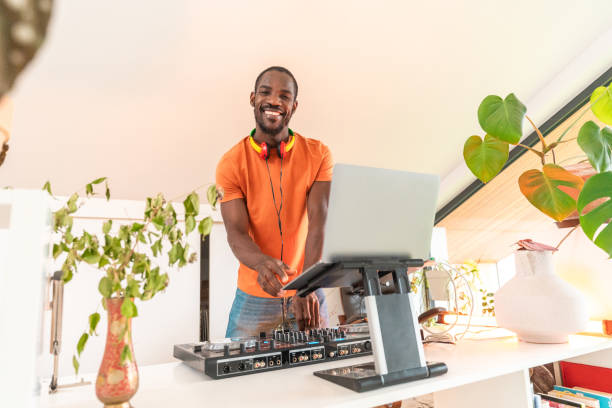
So you’ve decided to take the plunge into the DJ life. That’s the energy we love to see. But now you’re staring down an endless scroll of launchpads, all-in-ones, and standalone units that all promise to make you the next headliner — and honestly? It’s a lot. The biggest mistake newbies make isn’t picking the “wrong” controller; it’s picking a controller based on what someone else thinks you should have, rather than what your actual DJ journey is going to look like. You don’t need a four-channel battle weapon with a built-in sampler and enough RGB lights to blind a small crowd if your real goal is learning to mix house tracks in your bedroom without crying over a budget spreadsheet.
Let’s talk about what actually matters when you’re shopping for that first piece of gear. First up, forget the sticker price for a second and think about software. Are you dreaming of spinning at a club that runs Rekordbox? Or are you more of a Serato faithful? Your controller is basically a physical extension of the software, and some units come with unlock codes or lite versions that get you going without an extra subscription hit. The vibe of the software matters because you’ll be staring at it for hours, learning cues, loops, and the muscle memory of where your hands need to land. Picking a controller that matches the ecosystem you’ll likely encounter at gigs later — that’s a smart move, not a flex.
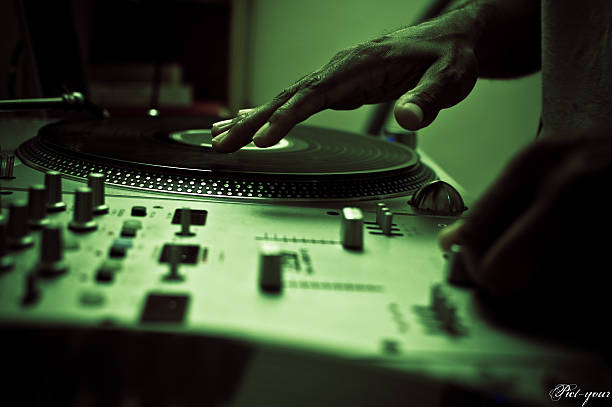
Now let’s get tactile. Jog wheels are the heart of the whole thing, especially if you want to do any hip-hop scratching or even just nudge a beat back into alignment. Cheap plastic jogs feel like spinning a bottle cap, and they’ll murder your confidence during your first live stream. Try to find something with capacitive touch — that means the top surface responds to your finger for pitch bends and stops, which is a game-changer. And don’t sleep on the pitch faders. These little guys are the reason you can beatmatch by ear, which is a skill you absolutely need even in the age of sync buttons. A short, flimsy fader makes manual mixing feel like trying to park a boat. You want resistance, a bit of weight, and a length that actually lets you make tiny adjustments.
Speaking of adjusting, let’s talk about the number of channels. I know the temptation: seeing a four-channel mixer and thinking you’ll grow into it. But for your first controller, two channels is more than enough. The extra channels add cost, size, and complexity that you honestly won’t use until you’re comfortable layering three tracks and juggling loops like a pro. And that takes months. Get something compact and portable, because here’s the thing — you’re going to want to practice in different rooms, take it to a friend’s house, maybe even do a backyard set when the weather’s decent. A massive all-in-one with a built-in screen eats your backpack space and your welcome. Light and simple wins every time.
Build quality also deserves a shoutout. You’re not buying this to put on a shelf. You’re going to be moving it, plugging and unplugging, maybe dropping a drink near the faders once (we’ve all been there). Look for metal faceplates or at least solid plastic that won’t flex under aggressive pressing. Check that the knobs don’t wobble before you buy. And always, always test the headphone cue system — if you can’t clearly hear the next track in one ear while the main out hits the speakers, you’ll never mix smoothly in a noisy environment.
The final piece of advice is the hardest one to follow: don’t chase gear. The internet will try to convince you that you need a $1,500 modular setup to be taken seriously. That’s cap. Your first controller is a training tool, not a status symbol. Some of the best DJs I know started on a entry-level piece that cost less than a pair of sneakers, and they made it work because they spent more time practicing than window-shopping. Buy used, buy new, doesn’t matter — just buy something you can start moving music with today. The skills — beatmatching, phrasing, reading a crowd — will outgrow any controller eventually. But you have to start somewhere that doesn’t stress you out before you even press play.
So what’s the real takeaway? Your first controller should match your goals, not your fantasies. Keep it simple, keep it functional, and keep it affordable enough that you actually feel free to mess up. The DJ life is about creativity and connection, not gear flexing. Get something that feels good in your hands, works with the software you love, and fits in your bag. Then hit the practice mode and let the journey begin.