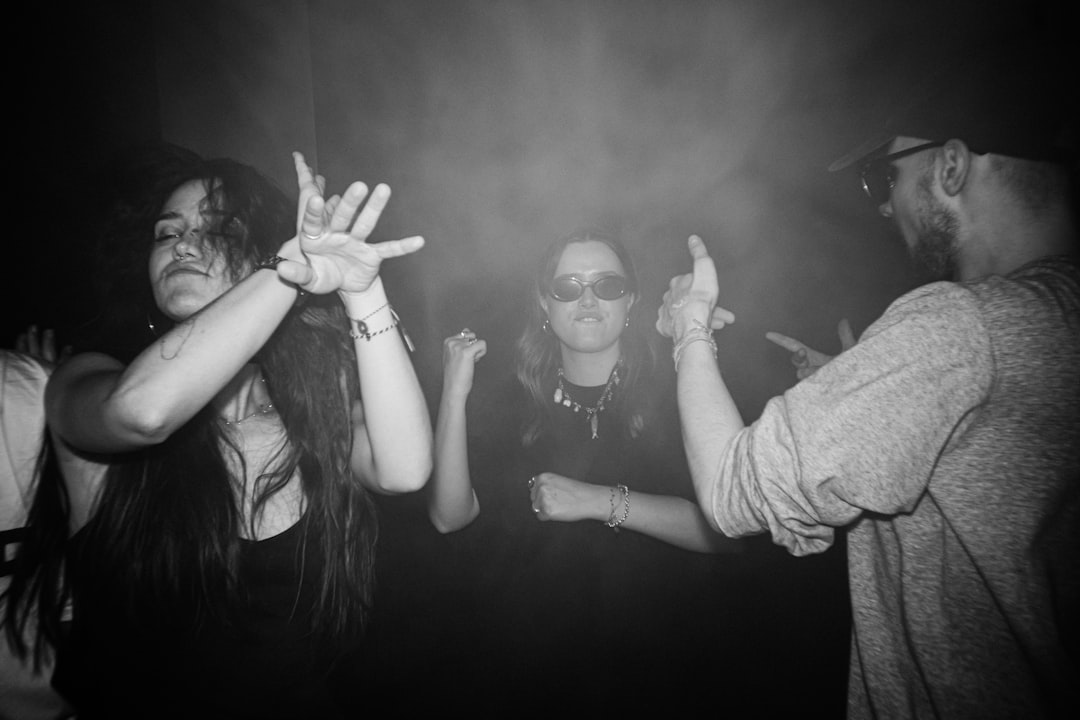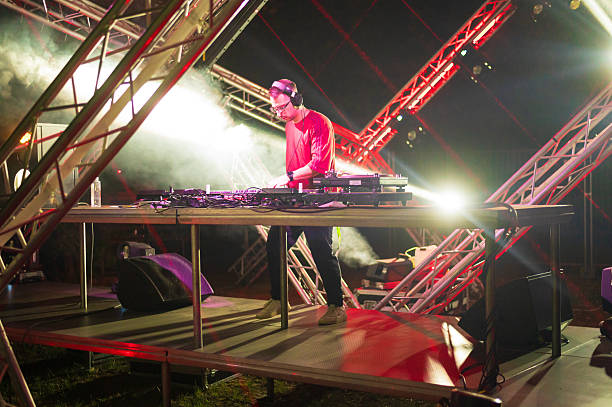
If you think DJ culture started with a laptop and a sync button, UK sound system culture would like a word. Long before festival main stages and TikTok DJ sets, Caribbean communities in Britain were building walls of speakers in basements, community halls, and front rooms. These were blues parties: late-night gatherings where the selector was the star, the bass was the main character, and the dancefloor was a living, breathing thing. The vibe was not about perfection. It was about pressure, release, and connection.
The roots go back to Jamaica, where sound systems like Duke Reid’s Trojan and Sir Coxsone’s Downbeat ruled the dance. When Caribbean families moved to the UK in the 1950s and 60s, they brought that blueprint with them. Pioneers like Duke Vin, Count Suckle, and Lloyd Coxsone set up rigs in London, while Jah Shaka became a spiritual force in the roots reggae scene. Notting Hill Carnival became the annual showcase, where Channel One, Aba Shanti-I, and countless others turned west London streets into a bass pilgrimage. The sound system was a mobile club, a community centre, and a political statement all at once. It gave Black British youth a space to be free when mainstream clubs were often hostile or straight-up racist.
The technical side was just as important. Sound men built custom speaker boxes, scooped bass bins, and valve amps that could push low frequencies through your chest. Selectors hunted for dubplates, exclusive versions of tracks that only they had. MCs rode the rhythm with chatter, toasts, and call-and-response. When a tune hit hard enough, the crowd yelled for a rewind, and the selector pulled it back to the start. That ritual still lives in jungle, garage, grime, and dubstep today. It is a language of respect: the tune was too much, so we run it again.
By the 1980s, UK sound system culture was bleeding into clubland. Norman Jay and Soul II Soul’s Jazzie B were fusing reggae, soul, rare groove, and house into something unmistakably London. In Bristol, the Wild Bunch and Smith & Mighty were doing the same with hip-hop, reggae, and electro. The Haçienda in Manchester turned the sound system mindset into acid house euphoria. The lesson was simple: bass is not background. Bass is the whole plot.
Then came 1988 and the Second Summer of Love. Acid house exploded, and UK rave culture borrowed directly from sound system logic. Warehouse parties, M25 orbital raves, and free festivals like Sunrise, Energy, and Raindance were basically giant sound systems with DJs at the controls. Spiral Tribe, DiY, Bedlam, and Circus Warp took rigs into fields and squats, creating temporary autonomous zones where the music did not stop until the police showed up. The M25 became a loop of legend, with convoys of cars following pirate radio signals to fields, warehouses, and service stations. The Criminal Justice Act 1994 tried to shut it down, but the culture adapted. It always does.
Jungle and drum and bass took the baton and ran with it. Sound systems like Saxon and Unity, stations like Kool FM, and DJs like Grooverider, Fabio, and Mickey Finn made rewinds and dubplates central to the rave experience. MCs became co-stars, not sidekicks. Then UK garage, grime, and dubstep carried the same DNA forward. DMZ at Plastic People, FWD>>, and producers like Skream and Benga turned bass weight into a science. The crowd did not just hear the low end. They felt it in their ribs. That physicality is the point. A good rig can make you move before your brain catches up.
Today, UK sound system culture is everywhere. Festival stages stack speakers like temples. Fashion borrowed the bucket hats, tracksuits, and tactical jackets. Slang like selecta, wheel up, and bass face is global. But the real legacy is deeper than aesthetics. It is about community, craft, and knowing your history. If you want to DJ, do not just learn to beatmatch. Learn to read a room. Learn to respect the roots. Learn that a proper sound system is not a playlist. It is a conversation between the selector, the MC, the crowd, and the bass. And yeah, protect your ears. Tinnitus is not a vibe, and the culture needs you healthy for the long run. That is the UK rave blueprint, and it still goes hard.