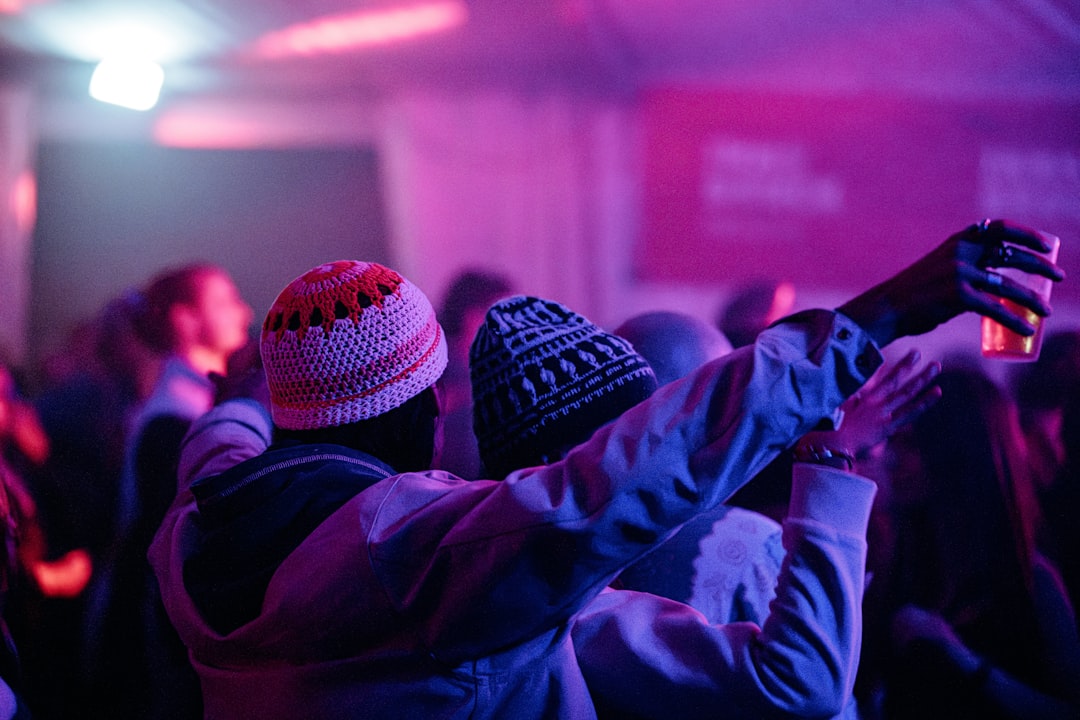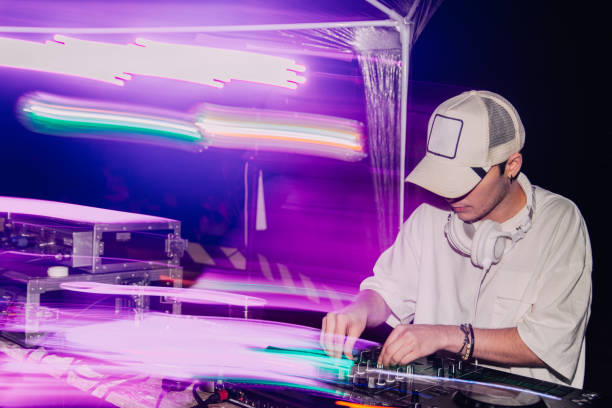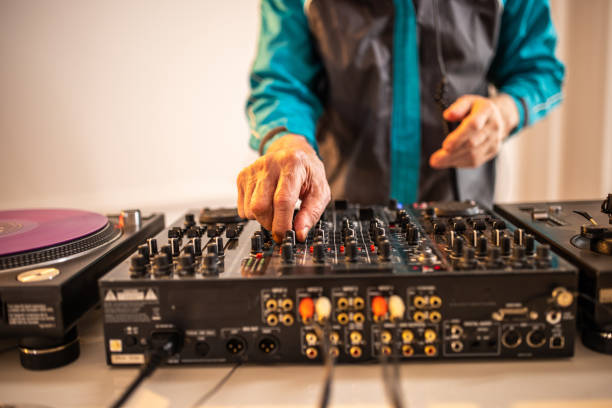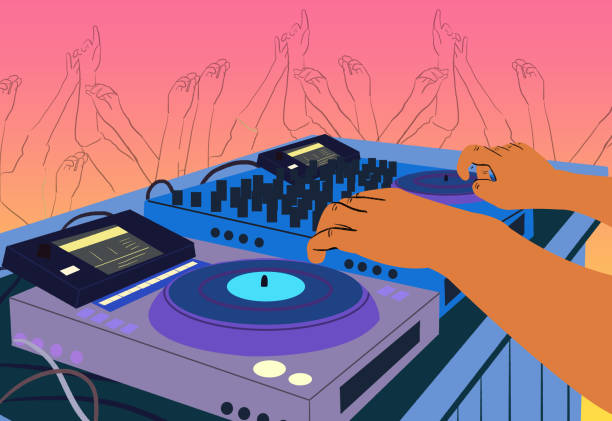
Hip hop DJing didn’t start with a laptop. It started with two turntables, a mixer, and a crowd hungry for the break. In the Bronx in the 1970s, DJ Kool Herc noticed dancers went wild for the percussion breakdown—the “break”—in funk records like “Apache” and “Give It Up or Turnit a Loose.“ By isolating that section with two copies of the same record, he extended the groove into infinity. That move, the merry-go-round, became the foundation. Herc wasn’t just playing records; he was editing live, reading the room, and turning a party into a laboratory. The MCs hyped the crowd, but the DJ was the engine.
Grandmaster Flash took Herc’s blueprint and made it surgical. He marked records with crayon, developed the quick mix theory, and used headphones to cue the next break before the crowd even knew what hit them. His “cutting” technique—moving between two copies of a record—let him punch in on the beat, creating new rhythms from old ones. Flash also pioneered the backspin, pulling a record backward to repeat a phrase. That might sound basic now, but in the 70s it was rocket science. Suddenly the DJ wasn’t a human jukebox. They were a composer, a conductor, and a mad scientist all at once.
Then came Grand Wizard Theodore. The story goes he invented the scratch as a teenager, accidentally or not, while holding a record still as his mom yelled at him to turn the music down. That friction—moving the vinyl back and forth under the needle—became a language. Afrika Bambaataa expanded the palette, digging for records from every genre: rock, electro, African drums, cartoon themes, whatever worked. As leader of the Zulu Nation, he turned DJing into a community force, using breaks to teach history and peace. The Holy Trinity—Herc, Flash, Bambaataa—set the template: extend the break, cut it up, and open the crate wide.
The 80s pushed the craft into new territory. Marley Marl flipped sampling on its head, chopping drums from records and reprogramming them into new beats. DJ Red Alert and Chuck Chillout ruled New York radio, breaking records before they hit the charts. On the West Coast, DJs like Dr. Dre and DJ Yella brought turntablism into gangsta rap, while the scratch became a hook. Meanwhile, battle DJs started treating the turntable like a sport. The DMC World Championships became the Olympics of hip hop DJing. DJs like Cash Money, Jazzy Jeff, and later Q-Bert pushed speed, precision, and showmanship to absurd levels.
The 90s were the golden era of beat juggling. Q-Bert, Mix Master Mike, and Apollo formed the Invisibl Skratch Piklz, turning scratching into a band-like performance. They didn’t just play records; they played the turntables. Beat juggling—using two copies of a record to create new patterns, stutters, and loops—became the ultimate flex. DJ Premier and Pete Rock used turntablism in production, chopping samples into dusty, soulful backdrops for rappers. The DJ was still the backbone, even as rap became a global industry.
Then technology shifted everything. CDs, Serato, Traktor, and controllers made the crate lighter. Digital vinyl systems let DJs scratch on MP3s without carrying crates. Some purists hated it; others saw new possibilities. Turntablism didn’t die—it moved online. YouTube battles, Boiler Room sets, and Instagram clips turned scratch routines into viral moments. The algorithm became the new crowd, but the energy still had to translate through a screen. Some DJs still carry crates; others carry a USB with ten thousand edits. DJs like Jazzy Jeff, A-Trak, and Craze bridged old and new, proving that a laptop didn’t have to kill the turntable. Meanwhile, hip hop DJs kept the break alive in club sets, mixtapes, and livestreams.
Today, the evolution continues. A new generation is rediscovering vinyl, learning to beat juggle on controllers, and blending hip hop with house, Jersey club, and Afrobeats. The tools changed, but the mindset is the same: find the break, extend the moment, and make people lose their minds. Hip hop DJing is part history lesson, part adrenaline rush, and part community service. From Herc’s two turntables to a bedroom setup with a DDJ and a dream, the throughline is simple. The DJ is the heartbeat. If the crowd is moving, you’re doing it right.