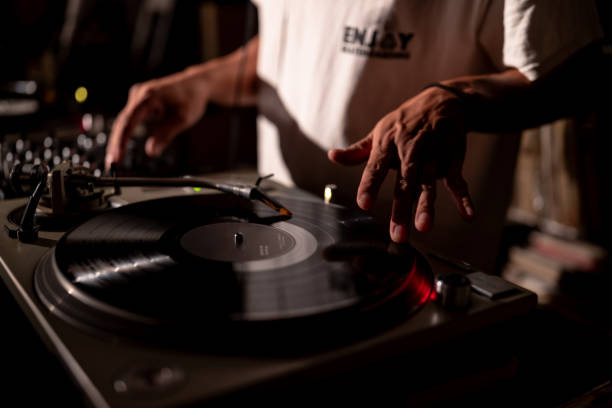
Miami Music Week is not a single festival with one gate and one lineup poster. It’s a city-wide takeover where every hotel pool, rooftop, warehouse, and afterhours spot becomes a potential stage. For DJs, that’s the whole appeal. You’re not just playing a set; you’re navigating a living, breathing festival that happens to have a skyline. Think of it as the ultimate side quest for anyone who’s ever dreamed of beatmatching while the sun comes up over Biscayne Bay.
The first thing you learn is that the city is the venue. South Beach does its glam thing, Wynwood brings the murals and industrial chic, Downtown gets sleeker, and Little Havana adds a whole different rhythm. Your day might start with a pool party where you’re spinning warm, breezy house to people in sunglasses and swimwear. Then you hop in a rideshare, pray the surge pricing doesn’t cook your budget, and end up in a dark club playing tech house to a crowd that’s already three hours deep. The contrast is wild, but it teaches you to read a room fast. A festival field crowd and a Miami club crowd are not the same beast, and that’s the point.
For upcoming DJs, Miami Music Week is basically a crash course in networking without being cringe. You’ll meet promoters, label folks, other DJs, and content creators all in the same chaotic orbit. The move is not to spam your USB at every person with a lanyard. It’s to be genuine, ask good questions, and actually vibe with people. Some of the best opportunities come from a random conversation at a taco stand or a shared ride to an afterparty. No cap, the industry runs on relationships, and this week is where they get built.
Musically, the city festival experience is a buffet. You can hear melodic house at sunset, groovy disco edits at a boutique hotel, hard techno in a warehouse, and Latin-infused rhythms that remind you Miami has its own deep musical history. DJs who can adapt win here. You might need to switch from CDJs to a controller, from warm-up duty to peak-time energy, or from a packed floor to a nearly empty room at 4 p.m. That flexibility is a superpower. Learn your phrasing, trust your hot cues, and don’t panic if the booth monitor is trash. Every set is a lesson.
Logistics are the unsexy boss level. Miami is spread out, traffic is real, and the weather can go from perfect to tropical downpour in minutes. Pack light, bring portable chargers, keep hydration on deck, and always have a plan B for getting to your next spot. Earplugs are not optional. Neither is sunscreen. If you’re playing multiple sets, protect your ears and your energy. The DJs who last are the ones who treat rest as part of the job, not a weakness.
The mental game matters too. It’s easy to get FOMO when your feed is full of packed rooms and famous faces. But you don’t have to be everywhere. Pick a few events that actually align with your sound, then leave room for spontaneous magic. The best city festival moments often happen when you skip the line, follow the bass, and end up in a tiny courtyard with 30 people losing their minds to a perfect track. That’s the real Miami Music Week glow-up.
For the crowd, it’s a mix of tourists, industry insiders, locals, and people who somehow have endless stamina. Respect the locals who keep the scene alive year-round. Tip the staff. Don’t be that DJ who acts entitled because you got a 30-minute slot. The culture is better when everyone moves with good energy.
Ultimately, Miami Music Week is a reminder that festivals don’t have to be fields and ferris wheels. They can be cities that turn into one giant, messy, beautiful party. For DJs, it’s a chance to level up your skills, your network, and your resilience. You’ll leave exhausted, inspired, and maybe a little cooked, but you’ll understand the assignment: the city is the festival, and the set never really ends until you say it does.