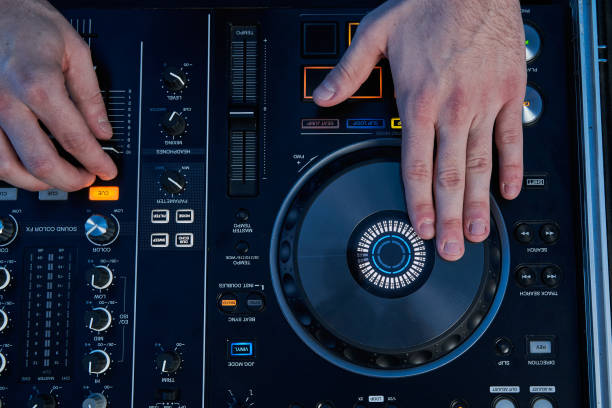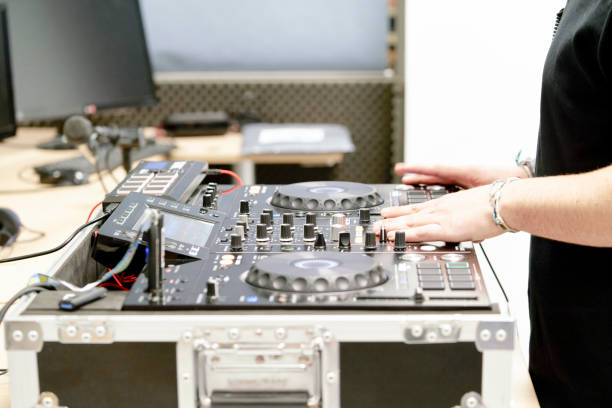
You spent hours meticulously tagging tracks, mapping out a journey, and stacking that opening bombshell with the perfect chain of heaters. Then you get behind the decks, drop the first genuine banger at what should be the sweet spot of the night, and… crickets. Well, not literal crickets, but the energy flatlines. A few heads bob, someone’s tapping a foot, but the floor feels like a waiting room instead of a dancefloor. This is the moment that separates DJs from selectors, and selectors from magicians. You are now staring down the most crucial skill in the entire game: learning to read the room, and more importantly, learning to unread your own plan.
The first rule of crowd reading is that the crowd is never wrong. You might have the most technically pristine mix, the rarest edit, or a bootleg that slaughterhouses, but if the front row’s energy feels like a deflated balloon, the issue is not the listeners—it’s the material. The floor is a living organism, a giant shared nervous system that pulses with collective emotion. And it’s constantly giving you data. The problem is that most beginner DJs are staring at their laptop screens or their waveforms, not at the humans moving (or refusing to move) in front of them.
Look for the small signals that aren’t obvious. A packed dancefloor with every pair of hands down is not the same as a packed dancefloor with hands up. If people are holding their phones but not filming the set, they’re checking their texts—that’s a red flag. If you see a sudden surge toward the bathrooms or the bar during a track you thought would peak the room, that’s not a coincidence. That’s a mass exodus. The classic tell is the “two-step shuffle”—when all you see is a sea of people gently rocking side to side, not actually dancing, but just politely moving to avoid looking frozen. That’s the floor politely telling you, “We’re not mad, we’re just bored.“
Now, here’s where the “DJ Life 101 basics” kick in: adaptation. You need to embrace the art of the pivot. Throwing on the next planned track because you need to finish your narrative is ego. Reading a crowd means accepting that the narrative is co-written with a hundred strangers. When the vibe flips, your first instinct should be to drop the tempo, strip things back, or shift the genre entirely—not to double down on a harder version of what failed. Think of it as a conversation. If you ask someone a question and they don’t respond, do you just ask it louder? No, you change the question.
One reliable trick is to watch the dancer nearest to the booth. The person who’s clearly there to move, not to socialize. They’re your canary. If even they start to reach for a drink or check the time, you’re in trouble. But if they squint their eyes, lean in as if to catch a new texture—that’s a signal for you to take a risk. Another sign is the “circle tension.“ When groups of two or three start breaking into larger, chain-linked clusters, that’s the floor opening up. That’s invitation to push energy forward. Conversely, when people start crossing their arms and stepping backward—like they’re admiring art rather than participating—you need to drop a familiar anchor. A sample, a vocal, a classic riff that everyone recognizes but wasn’t expected. That doesn’t mean selling out; it means reuniting the hive.
And remember, reading is about omission too. Sometimes the most powerful response is to not play the obvious drop. Instead, use a filter to sweep all the highs away, leaving just a muddy groove. Suddenly people lean in. The absence of energy creates tension, and tension demands release. That’s your signal to give them a satisfying payoff—but pay attention to which payoff they crave. If you get a collective “woo,“ you’re good. If you get a confused head tilt, you just lost them again.
The ultimate hack? Spend five minutes at the bar, or on the side of the stage, watching your own set through the eyes of a punter. Better yet, watch the crowd between tracks, during those three seconds of silence. That’s when the real mood surfaces. Heads up and laughing means joy. Heads down and shuffling means self-contained vibe. Shoulders back and scanning means they’re hunting for the next thing. Match that. The best DJs don’t play to the crowd—they play with the crowd. They’re not following a playlist; they’re following pheromones of musical desire. So next time your meticulously crafted set falls flat, don’t fight the sticky floor. Adapt. Trust whether that back-row guy with the glowstick is actually bouncing. Because the screen in front of you tells you the BPM. The bodies tell you the story.