Let’s be real for a second. You’ve spent hours hunched over your controller, digging through crates, perfecting that transition that makes the floor lose its collective mind. Your latest track is a certified heater. Your mixes are tighter than your friend group’s group chat. But when you send that press kit to a booking agent or a festival promoter, what do they see first? Not your tracklist. Not your bio, even though that’s fire. They see your face staring back at them from a little square on their screen. That headshot is the very first beat they hear, and if it’s trash, they’re gonna skip the rest of the song.
Think of your press kit as a full album. Your bio is the intro track, your music is the A-side, your past gigs are the B-sides, and your tech rider is the hidden bonus track. But your headshot? That’s the album cover. In a world where everyone’s scrolling on a phone, the visual is what stops the thumb. A blurry, pixelated selfie taken in your bathroom at 3 AM is not it. Neither is that photo where your ex cropped themselves out. I’ve seen so many talented DJs tank their chances because their EPK had a photo that looked like it was taken on a potato in 2008. Don’t be that person.
But here’s the thing — you don’t need a cracked-out photo shoot with a million-dollar camera. You need a photo that captures your actual vibe. If you’re a dark techno wizard, your headshot shouldn’t be you beaming in a pastel polo at a beach picnic. If you’re a house head who lives for disco balls and sunsets, don’t pose like you’re about to drop the hardest dubstep drop of your life. Authenticity slaps. Bookers have radar for fake energy, and they will sniff out a forced smile faster than you can say “request line.“
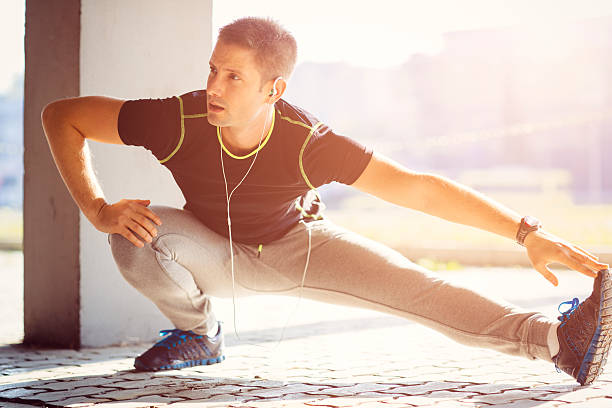
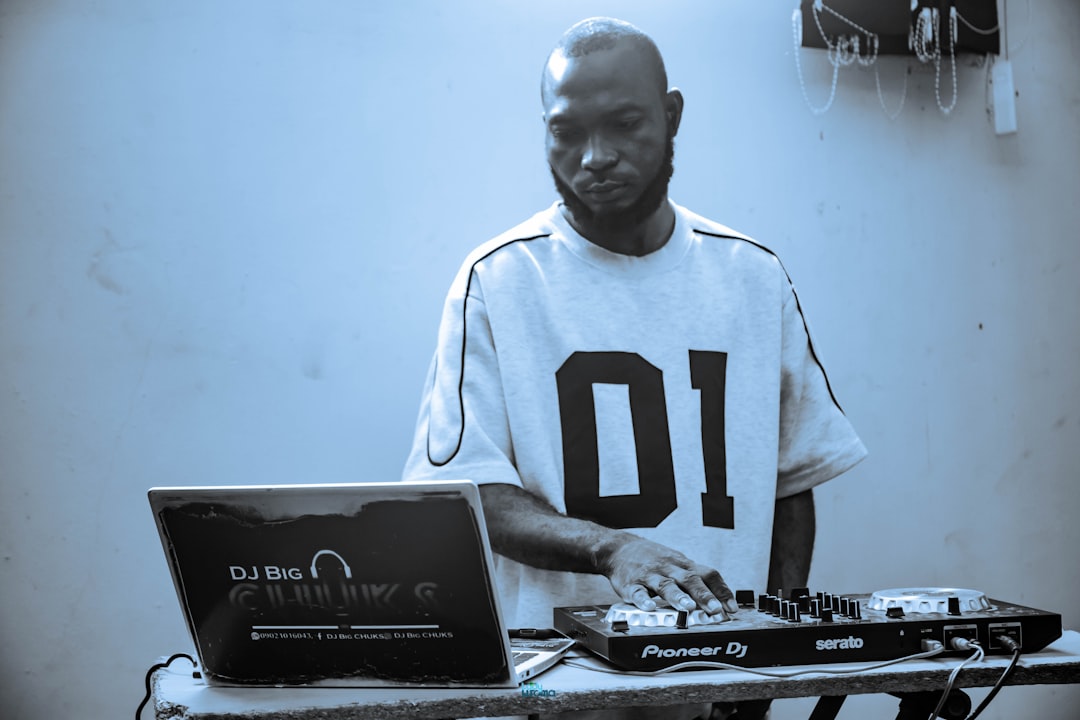
So what makes a headshot that doesn’t flop? First off, lighting. Natural light is your best friend. Golden hour outdoors or a decent indoor setup with a window? That’s pure gold. Avoid the harsh overhead fluorescent vibe that makes everyone look like a suspect. Second, keep the focus on your face. You can have your headphones around your neck or your hand on a turntable, but don’t let the gear steal the show. You’re the artist. The gear is just your weapon of choice. Third, treat it like a passport photo for your career — get a few different angles and expressions. Show them the versatile you. The one who can play a dark warehouse and an open-air rooftop. But don’t go overboard. Three killer shots are better than fifteen mediocre ones.
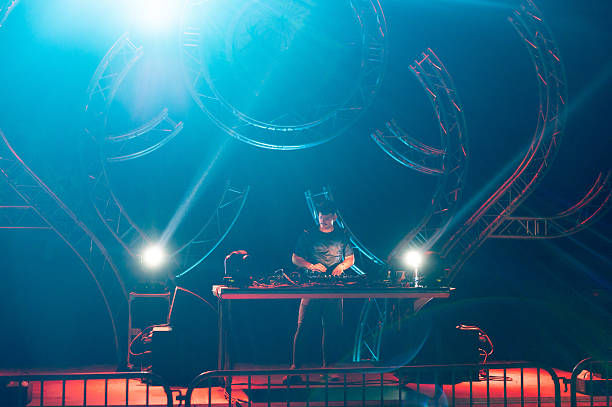
Another thing that hits different is to ditch the staged poses. I’m talking about the classic “DJ with one hand up like they’re casting a spell” or “gazing intensely at a mixer that isn’t even on.“ So cringe. Instead, get a candid shot from a real gig. That moment you’re genuinely vibing, head nodding, hands moving naturally — that tells a story. That says you’re a performer who brings energy. If you can get a photographer to capture you at a live set, even better. That raw energy translates straight to a booker’s imagination. They can already picture you on their stage.
Also, let’s talk about the file format and size. Don’t send a 10-megabyte JPEG that takes forever to download. And for the love of all that is holy, don’t compress it into a thumbnail. Provide a high-res version but also a web-friendly one. Promoters are busy people. They don’t want to struggle with your attachment. And put your name in the filename — “DJ_Maddog_Headshot_HiRes.jpg” not “IMG_2049_final_FINAL(2).jpg”. That little detail shows you’re organized and professional.
Your headshot is also a piece of your brand consistency. If your flyer art has a certain color scheme or your logo has a specific font, try to echo that in your photo vibe. This doesn’t mean putting your logo in the corner of your face, but choosing clothes and background that align with your sonic identity. If you play deep, emotional Melodic House, maybe warm tones and soft shadows. If you’re a relentless techno slapper, go for high contrast and intensity. The goal is that someone sees your headshot next to your mix and thinks, “Yep, that tracks.“
Finally, update your headshot every two to three years or whenever you have a major rebrand. You don’t want to be that person still using a photo from before you cut your hair, wore the wrong glasses, or gained that quarantine fifteen. Bookers talk. They’ll be like “Wait, why are they looking like a completely different human now?“ Just get a fresh shot. It’s the easiest upgrade to your entire press kit.
So give your headshot the same love you give your tracks. It might not be the loudest element in your EPK, but it’s the one that opens the door. Nail it, and the rest of your press kit gets to actually speak. Miss it, and well, your killer bio just became someone else’s bathroom reading. Stay sharp, stay authentic, and let that face be the drop that lands the gig.