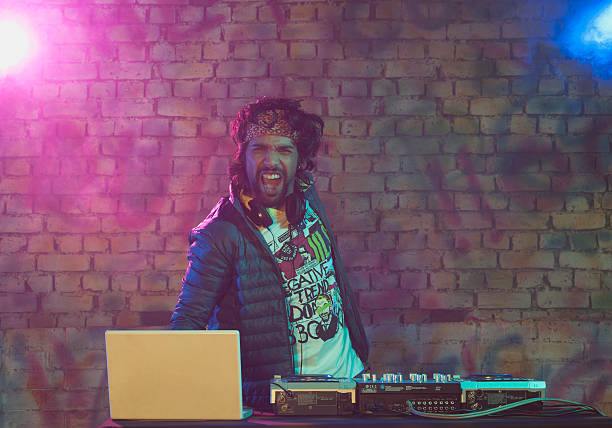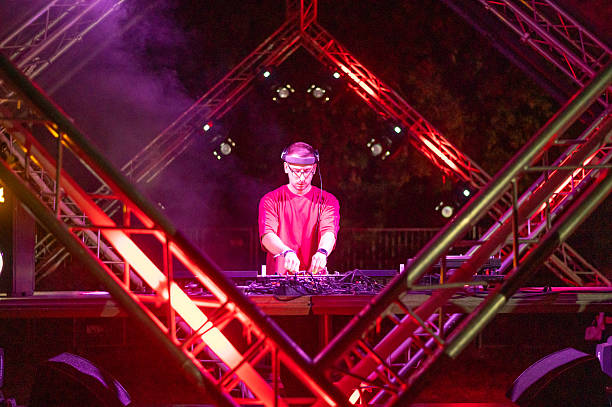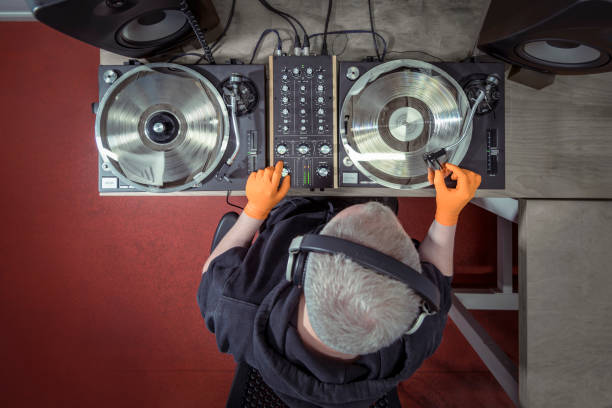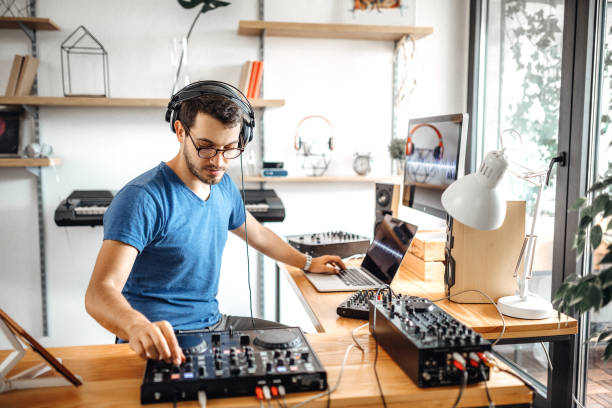
The DJ booth used to smell like vinyl, dust, and anxiety. You’d spend weeks digging through crates, burning CDs, then USB sticks, labeling them with Sharpie so you didn’t play the wrong edit at peak time. Now the booth smells like a hotspot that won’t connect. The streaming revolution has turned the record bag into a search bar, and it’s changing everything from how we prep to how we perform. Instead of packing 5,000 tracks, you can pull up millions through services like Tidal, SoundCloud Go+, Beatport Streaming, and Beatsource. It means a bedroom DJ in a small town can access the same underground edits as a headliner in Berlin. It means you can take a request you’d normally ignore and find it in seconds. It means your library is no longer a thing you carry; it’s a cloud you rent.
But here’s the catch: club Wi-Fi is usually trash. Cell service drops the second 300 people start posting stories. A streaming set without backup is a disaster waiting. Never trust the internet. Cache your tracks offline. Download your crates. Bring USB backups. Have a hotspot. Know which tracks are local and which are streaming. When the buffer wheel spins, the dancefloor doesn’t care about your subscription. They care about the next drop. Streaming is a superpower, but it’s fragile. If the service changes licensing, your favorite track can vanish overnight. If the venue’s router dies, your whole set dies with it.
The bigger shift is artistic. Streaming makes access infinite, so curation becomes the main flex. Anyone can find a track. Not everyone can read a room. The DJ’s job is no longer just to own rare records; it’s to sequence the right energy at the right moment. You still need to know phrasing, harmonic mixing, and how to ride a groove. Sync and streaming metadata can help you beatmatch, but they can’t tell you when to bring in the bass. They can’t feel the moment the crowd needs a left turn into a different genre. That’s human. That’s taste. That’s the difference between a playlist and a set.
Streaming also changes how we dig. Instead of spending hours in a record shop, you fall down algorithm rabbit holes. That can be amazing for sounds from Africa, Latin America, and the diaspora that used to be harder to find. But it can also flatten taste. If everyone streams from the same recommendations, everyone plays the same ten tracks. The best DJs use streaming to go deeper, not just wider. They search labels, follow producers, check remix credits, and build offline collections that feel personal. The cloud gives you access, but the crate is still a mindset.
Technically, streaming is opening doors to live remixing. Stems, stem separation, and cloud-based libraries mean you can pull a vocal from one track and layer it over an instrumental from another without owning both files. You can change keys, loop sections, and create edits on the fly. That’s futuristic. But it also means preparation matters more. You need cue points, hot cues, memory cues, and a backup plan for every tech failure. The DJs who thrive in this era are not the ones who rely on streaming. They’re the ones who treat streaming like one tool in a bigger kit.
For traveling DJs, the streaming revolution is a mixed bag. Your luggage gets lighter, but your mental load gets heavier. You have to check regional licensing, offline availability, and adapter situations. You have to manage multiple subscriptions and keep your library organized across rekordbox, Serato, djay, and whatever the club has. Wellness matters here. Sleep, hydration, ear protection, and screen breaks are not optional. Staring at a laptop until 4 a.m. while trying to find a track that won’t load is a one-way ticket to burnout.
The future isn’t streaming-only. It’s hybrid. The best sets will blend cloud access with local files, physical media with digital crates, and algorithmic discovery with human intuition. Wi-Fi may be the new booth cable, but the dancefloor still runs on timing, tension, and release. Streaming didn’t kill DJing. It just moved the record bag into the cloud. The DJs who remember why they started digging will still be the ones who make people lose their minds.