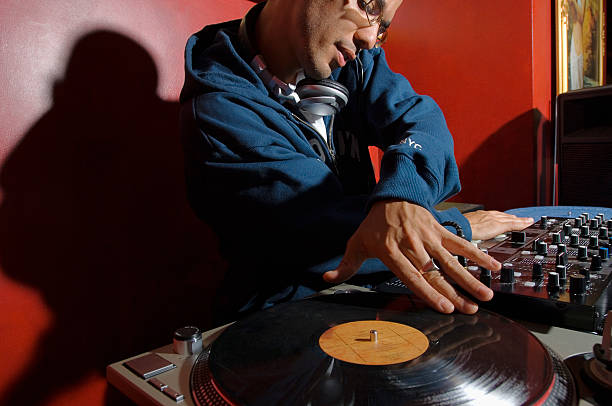
You’ve finally landed a DJ gig at a spot that actually has a real sound system, not just a Bluetooth speaker balanced on a milk crate. The promoter slides into your DMs with the kind of energy that makes you feel like you’re about to headline Berghain. They tell you the slot is prime—late Friday night, crowd guaranteed, and you’ll be rubbing faders next to some local legends. Then comes the kicker: “Just need a small deposit to hold your spot. You’ll get it back after the event, no worries.” If your gut just clenched, you already know where this is going. Welcome to the Buy-On Scam, one of the grimiest traps lurking in the DJ universe, and it’s time we pull back the curtain so you can keep your bag safe.
Let’s get one thing straight upfront: a buy-on scam, sometimes called a “pay-to-play” trick, is when a promoter, club booker, or even a “talent buyer” asks you to pay money—usually under the guise of a refundable deposit, a “promotion fee,” or a “booking confirmation”—to secure a gig. In reality, that cash is never coming back, and often the gig itself doesn’t exist. The scam preys on your hunger to break in, your fear of missing the next big opportunity, and your trust that everyone in this industry plays fair. They don’t.
Here’s how it usually plays out. You’re an up-and-comer, maybe a bedroom producer who’s just started hitting open decks. You get an email or a DM from someone who seems legit—they’ve got a club flyer in their bio, they’ve tagged a few real DJs, and they use all the right event jargon like “headliner slot,” “door split,” and “guest list comps.” They say the gig is at a hot venue, but you’ll need to front a “refundable deposit” to cover sound engineer fees or to prove you’re serious. They might even send you a fake contract with a logo that looks real but is just a shoddy Photoshop. Once you send that Venmo or CashApp, they ghost. Worse, they might actually let you show up to a real club that’s never heard of you, leaving you embarrassed and out $100 to $500.
This isn’t just scummy behavior—it’s a direct assault on the culture Larry Levan and Frankie Knuckles spent their lives building. They didn’t pay to spin at the Paradise Garage or the Warehouse. They got booked because they moved crowds, read rooms, and had crates that smelled like vinyl funk and sweat equity. Today, scammers try to monetize your ambition, turning your dream into their quick payday. The DJ world already has enough gatekeeping without you literally paying for the privilege to stand behind a deck.
So how do you spot a buy-on scam before you wire your rent money? First, any deposit request is a massive red flag. Real clubs and promoters pay you, not the other way around. If someone asks for cash upfront for a “reservation,” hit block. Second, verify the promoter’s history. Look for real tagged posts from actual DJs who’ve played there, not just reposted flyers. DM one of those DJs and ask if they got paid—and if they paid anything. Third, the language is a giveaway. Scammers love vague terms like “exposure guarantee” or “VIP package” for slot availability. Real promoters talk about rider deals, backline gear, and set times, not mystical fees. If they pressure you to decide quickly, that’s classic FOMO manipulation—don’t bite.
What if you already fell for it? Don’t beat yourself up. It happens to the best. The key is to shut down the shame spiral and report the scammer to the platform you used to pay, the club’s real management (if you can find them), and any local DJ groups on Discord or Reddit. You might not get your money back, but you can warn the next eager beat mixer. Also, remember: a legit promoter will never ask you to pay to play. They might ask you to sell tickets or bring a crowd, but that’s different—that’s sweat equity, not cash upfront.
The buy-on scam thrives on the same energy that makes DJing magical: hope, hustle, and the desire to connect with a crowd through sound. But you don’t have to let that hope turn into a liability. Keep your ears open, your wallet closed, and your bullshit detector on high. The real industry respects talent and grind, not deposits. So the next time someone asks you to pay for a gig, just laugh, hit mute, and keep practicing your transitions. The right door will open without you having to buy a key.