There’s a moment when you step into a club and the air pressure shifts, the bass hits your sternum before your ears, and you realize you’ve walked into a portal. That’s the feeling at The Warehouse 206 Jefferson in Kansas City, a venue that somehow manages to be both a secret basement rave and a fully realized art installation. If you’re building your global clubbing bucket list, this spot deserves a permanent marker—not just because of its vibe, but because it represents a specific kind of American pilgrim site that DJs and dancers have been chasing since the heyday of the Paradise Garage.
Let’s get something straight. The Warehouse isn’t trying to be Berghain. It’s not a corporate-backed mega-club with branded bottle service and a velvet rope that measures your crypto wallet. This place is a converted industrial space in the Crossroads Arts District, and it wears its raw concrete and exposed steel like a badge of honor. The name itself is a direct nod to the legendary Chicago club where Frankie Knuckles first gave house music its name back in the late seventies. That’s not just nostalgia bait—it’s a mission statement. The Warehouse 206 Jefferson exists to honor the lineage of disco and house while pushing sound design into the future.
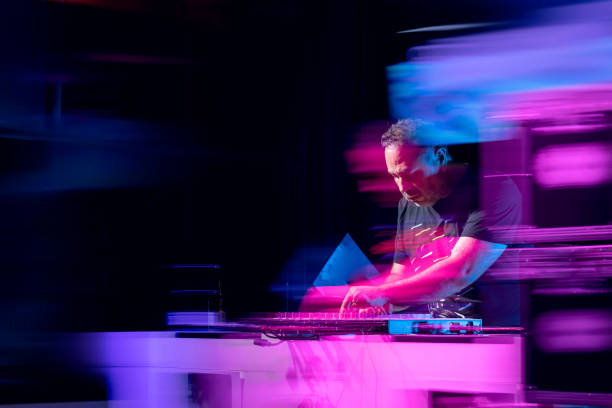
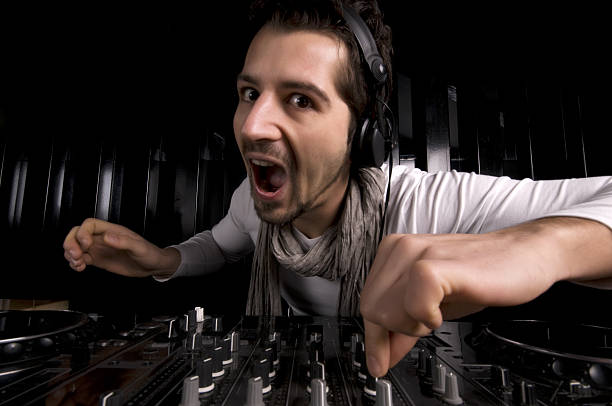
The sound system here is the real deal. They’ve got a Funktion-One rig dialed in with the kind of precision that makes you feel every hi-hat separation and sub-bass sweep in your teeth. If you’re a DJ who’s been mixing in your bedroom for years, hearing your favorite tracks on a system like this is a literal education. You start to understand why Larry Levan used to spend hours tweaking the Garage’s system before opening—it’s not about volume, it’s about clarity. The booth sits slightly elevated, giving the DJ a perfect sightline to the dance floor, which is always packed with locals who actually know their records. No phone zombies here. People are dancing with intention, sweating through vintage band tees, and trading head nods when a dubplate gets dropped.
What makes The Warehouse a bucket-list essential is its programming. You’ll find residents who dig deep into Chicago jack tracks, Detroit techno, and UK garage, but also live modular synth sets and ambient nights that feel more like a meditation than a party. The crowd skews heavily toward Gen Z and Millennial creatives—graphic designers, photographers, writers, and other DJs who are off-duty. There’s no VIP section, no bottle girls, no dress code beyond “please wear clothes.” It’s the kind of place where you can show up in a thrifted windbreaker and sneakers and still feel like you belong to the culture.
For a traveling DJ, this spot offers something intangible. You can play at a festival in Ibiza or a mega-club in Tokyo and feel like a cog in a machine. At The Warehouse 206 Jefferson, you’re part of a conversation that started decades ago. When you’re standing in that booth, watching the crowd lock into a four-on-the-four kick pattern, you’re sharing space with the ghosts of the Warehouse in Chicago, the Paradise Garage in New York, and the Loft. It’s a pilgrimage to the origin point of the religion we call house music.
Don’t sleep on the after-hours energy either. Kansas City has a surprisingly resilient underground scene, and The Warehouse often keeps going until the sun decides to remind you that real life exists. The bartenders pour strong drinks, the bathroom lines are manageable, and the security staff actually understands that a crowd moving as one organism is a beautiful thing, not a threat.
If you’re building your global clubbing bucket list, put The Warehouse 206 Jefferson somewhere between a trip to Robert Johnson in Frankfurt and a sunrise at Panorama Bar. It’s proof that the most sacred dance floors aren’t always in the biggest cities or the most famous venues. Sometimes they’re hiding in a converted warehouse in the middle of the country, waiting for you to find the door.