Let’s be real. Inspiration does not wait until you are back home in your treated room. You are in a hotel in Berlin at 3 a.m. after a set, brain buzzing, bassline looping in your head. If your portable production setup is a mess, that idea dies in the notes app. The goal is a rig that fits in a carry-on or backpack, sets up in five minutes, and does not make you miss your studio. You do not need every piece of gear. You need the right pieces.
Start with the laptop. An M-series MacBook Air or Pro, or a solid Windows ultrabook, is the heart of the whole thing. Aim for 16GB of RAM minimum and at least a 512GB SSD. CPU matters more than RGB. Do not fill it with games and four hundred Chrome tabs. Keep a dedicated music user profile so your DAW is not fighting random background apps. Pick one DAW and learn it deeply. Ableton Live, FL Studio, Logic, Bitwig, Studio One, whatever. The portable setup is about speed, not collector energy.
Headphones are non-negotiable. Closed-back cans like Audio-Technica ATH-M50x, Beyerdynamic DT 770, or Sennheiser HD 25 isolate hotel AC, plane roar, and green room chatter. If you can, bring IEMs for a detailed second check. Do not rely on laptop speakers. They lie. A small audio interface like Focusrite Scarlett Solo, Audient EVO 4, or Native Instruments Komplete Audio 2 gives you clean inputs for mics, guitars, synths, and a better headphone amp. It is tiny, but it changes the whole vibe.
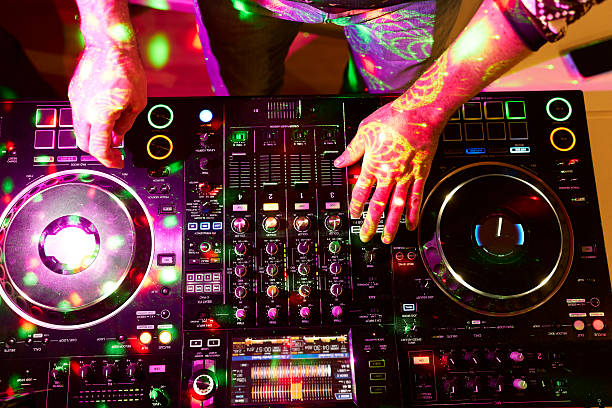
For control, a 25-key MIDI keyboard is the sweet spot. Arturia MiniLab, Akai MPK Mini, Novation Launchkey Mini. If you DJ and produce, a compact all-in-one like an Akai MPC Live II, Maschine Mikro, or Roland SP-404MKII can be clutch. The Teenage Engineering OP-1 Field and Polyend Tracker Mini are ultra-portable, but they are also a whole personality. Do not overbuy. One main controller. Maybe a small pad controller if you finger drum. Cables matter, too. Short USB-C, 1/8-to-1/4 adapters, extra power, and a pouch you can actually find in the dark.
Sound design on the go is where things get spicy. Plugins like Serum, Vital, Arturia V Collection, and Native Instruments Komplete are amazing, but they eat CPU. Freeze and flatten. Use Splice or Loopcloud for quick inspiration. Sample the hotel elevator, the street, the ice machine. A Zoom H1n or your phone can be a field recorder. Keep sample packs on a Samsung T7 SSD and back up to the cloud. Make sure your licenses work offline. iLok cloud can be a mood killer when the hotel Wi-Fi is trash.
Power and connectivity are the unglamorous heroes. Bring a universal travel adapter, a small power strip, a USB-C hub with HDMI, SD, and audio, and a power bank for your phone and controller. Do not update your OS right before a trip. Offline authorization is your friend. If you are staying long, small monitors like IK Multimedia iLoud Micro Monitors or Audioengine A2+ can work, but for a carry-on, skip them. Headphones plus checked references are enough.
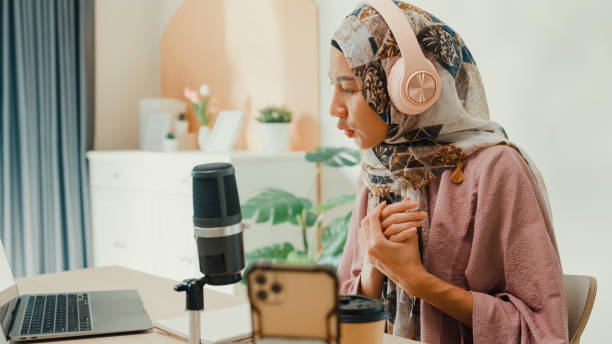
Hotel rooms are boxy. Use the bed, curtains, closet, and pillows to tame reflections. Record vocals under a blanket if you have to. It looks goblin mode, but it works. A dynamic mic like an SM58 or a USB mic like Rode NT-USB Mini is easy. Reference your mix on headphones, phone speaker, and laptop. The car test can wait until you get home.
Keep a template ready. Drums, bass, keys, audio, return tracks. Limit choices. Start with an eight-track sketch. Bounce stems. Name files clearly. Do not spend three hours choosing a kick. The portable setup should remove friction. Protect your ears and your mental health. Take breaks. Stretch. Hydrate. Do not produce at 120 dB in a hotel at 4 a.m. unless you want a noise complaint and a new enemy.
The best portable production setup is the one you actually carry. It does not have to be Instagram-perfect. A laptop, headphones, a small MIDI keyboard, an interface, cables, and a notebook can make a whole EP. The magic is not in the gear. It is in using the weird, imperfect moments. That bassline in a Berlin hotel might be the one. Keep it light, keep it charged, and keep creating.