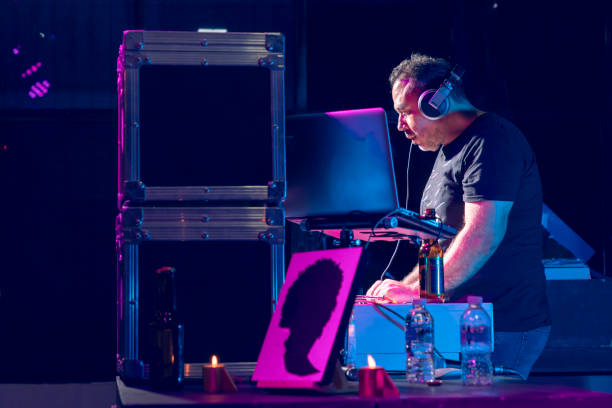
You just stepped out of the booth at 4 a.m. Your ears are ringing, your shirt smells like fog juice and someone else’s perfume, and your brain is still running at 128 BPM. The crowd wanted one more, the promoter wants to talk numbers, and your body is somewhere between wired and completely cooked. Welcome to the night owl’s paradox: you’re exhausted, but sleep feels impossible. For DJs, sleep isn’t just a wellness flex. It’s the difference between a set that flows and one where you’re trainwrecking transitions because your brain is buffering.
The first move is accepting that your circadian rhythm isn’t broken. It’s just tuned to a different schedule. Clubs don’t care that your melatonin wants to show up at 10 p.m. When you’re behind the decks, your nervous system is in full performance mode. Lights, bass, adrenaline, and a hundred sets of eyes create a chemical cocktail that takes time to clear. Trying to force sleep the second you get home is like trying to land a plane at full speed. You need a descent, not a crash.
A solid post-gig wind-down starts before the last track. Avoid caffeine after midnight, or at least after your peak set. That energy drink before the closer doesn’t clock out when you do. Alcohol might take the edge off, but it fragments sleep and leaves you feeling like you played a six-hour back-to-back with a hangover. Hydrate instead. Water with electrolytes is your friend, especially if you’ve been sweating under hot lights.
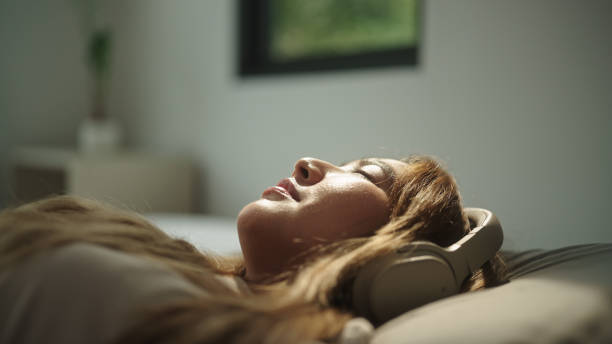
When you get home, resist the doomscroll. The group chat can wait. Your phone is a tiny casino, and the endless feed tells your brain the night is still happening. Put it on Do Not Disturb, or charge it outside the bedroom. You want your room to feel like a green room for sleep: cool, dark, quiet, and boring in the best way. Blackout curtains are a game changer for day sleepers. So is a white noise machine or a fan. Your neighbor’s lawnmower at 9 a.m. doesn’t stand a chance.
Food matters too. A heavy meal after a gig can sit in your stomach like a bad bassline, but going to bed hungry is also chaos. Keep it light. A banana with peanut butter, a small bowl of cereal, or yogurt and granola can scratch the post-set hunger without making digestion work overtime. The goal is steady blood sugar, not a full tasting menu.
The mental wind-down is where most DJs struggle. Your brain is still replaying the set. Did that transition land? Why did the crowd thin out at 2:30? Should you have played that unreleased edit? Journaling can help. Not a whole essay, just a few lines: what worked, what didn’t, what you’re grateful for. It gets the thoughts out of your head so you’re not looping them in the dark. Some DJs swear by a warm shower, stretching, or a five-minute breathing exercise. Box breathing—four in, four hold, four out, four hold—is simple and weirdly effective. It signals your nervous system that the show is over.
If you’re traveling, sleep gets messier. Different time zones, hotel curtains that don’t close all the way, and flights at ungodly hours can wreck you. Pack an eye mask, earplugs, and a small white noise machine. Anchor your sleep with light. When you wake up, get outside or sit by a window. Light is the master clock. If you’re in a new city, resist the nap trap. A twenty-minute power nap can save you; a three-hour snooze pushes your rhythm further out of whack.
The big takeaway is that sleep is a skill, not a luxury. You wouldn’t show up to a festival with no headphones and expect to rock the crowd. Don’t show up to your life running on four hours of fractured sleep and expect to enjoy it. Build a wind-down routine that fits your weird hours. Protect your bedroom like it’s your booth. Be kind to your body after it just gave everything to the dance floor. The nightlife will always be there. Your energy, your ears, and your mental health deserve a soft landing.