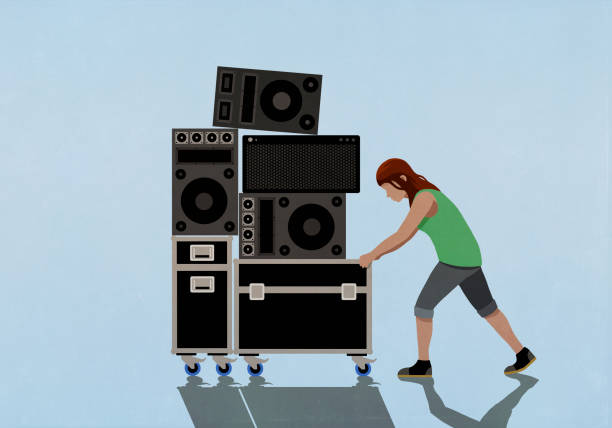
It’s 1 a.m., the booth is sweaty, and your stomach is making weird little glitch noises between tracks. You’ve got three hours left, the crowd is locked in, and you need to stay sharp. The difference between a set that flows and one where you’re foggy, shaky, and desperate for a granola bar is often not skill but fuel. DJing is physical: standing, nodding, sweating, hauling gear, reading a crowd, making micro-decisions at 128 BPM. Your brain is burning glucose like it’s going out of style. So fueling properly isn’t some wellness-girlie extra. It’s booth maintenance.
The classic DJ diet—energy drinks, cigarettes, a bite of someone’s fries at 3 a.m.—is low-key a crash waiting to happen. Caffeine on an empty stomach spikes cortisol and anxiety, then leaves you jittery and hollow. Sugar gives a quick high, then the drop hits your body harder than a bad transition. Alcohol dehydrates you, wrecks sleep, and makes you think you’re mixing better than you are. No shade, but your body keeps receipts.
Before a set, aim for something that won’t sit heavy but will burn steady. Complex carbs plus protein plus a little fat: rice and grilled chicken, a sweet potato with eggs, a burrito bowl with beans and avocado, or even a peanut butter and banana sandwich if you’re rushing. Eat 90 minutes to two hours before doors, or if you’re on a late-night schedule, make that your “lunch” at 9 p.m. Keep it boring-ish. A huge spicy curry might be delicious, but your booth self will regret it. Hydrate early. Water with electrolytes is your friend, especially if you’ll be sweating under lights.
During the set, you don’t want a full meal. You want small, easy fuel. Banana, dates, trail mix, a protein bar that doesn’t taste like cardboard, pretzels, or a smoothie you can sip between tracks. Keep it in the booth bag or green room. If you’re playing a long festival set, set a silent phone alarm or use the vibe shift to remind yourself to take a bite and a sip. The goal is steady blood sugar, not a second wind that turns into a wall. Sip water or an electrolyte drink every few tracks. If you’re drinking alcohol, alternate with water. That’s not a buzzkill; it’s a set-saver.
Caffeine is tricky. A coffee before your set can sharpen focus, but too much makes your hands shaky and your ears tired. If you’re playing until sunrise, don’t slam an energy drink at 4 a.m. You’ll still be wired when you’re trying to sleep at 7 a.m., and tomorrow’s you will suffer. Try green tea or half a coffee earlier in the night. And if you’re jet-lagged, use light, food, and short naps to reset your clock, not just espresso.
After the set, the temptation is to inhale pizza and pass out. But recovery matters. You’ve just been in a loud, high-stim environment for hours. Your nervous system is fried. Eat something with protein and carbs—ramen with an egg, Greek yogurt with granola, a turkey wrap, leftover rice and salmon. Drink water. Get magnesium and potassium if you can. Then wind down away from screens if possible. Sleep is when your body repairs the damage from all that standing and sweating. If you can’t sleep right away, don’t stress. Dim the lights, stretch, journal, or listen to something calm. The afterparty can wait. Your residency can’t.
Touring and traveling make this harder. Airport food is mid, time zones are chaotic, and riders often have chips and Red Bull. Pack your own emergency kit: nuts, dried fruit, protein bars, electrolyte packets, instant oatmeal, maybe a collapsible bowl. It sounds extra until you’re in a foreign city at 2 a.m. and everything is closed. Also, eat actual meals when you can. Sitting down for food with your crew is not wasted time. It’s how you stay human.
Fueling the body properly isn’t about being perfect. It’s about giving your brain and body enough to do the thing you love without crashing out. You don’t need a nutrition degree. You need water, steady snacks, real meals, and a little planning. Your sets will feel cleaner, your mood will be steadier, and your body won’t hate you when the tour ends. The crowd came for a vibe. Your job is to still have one when you’re done.