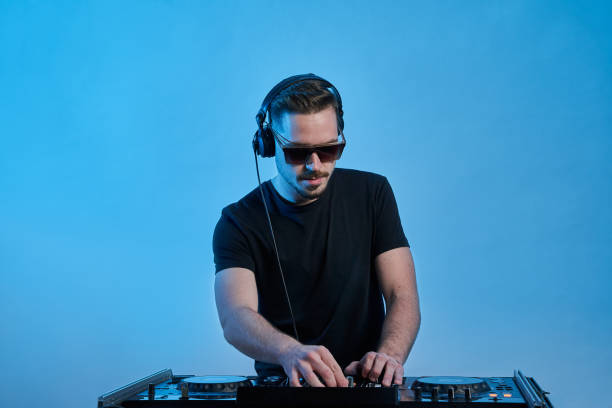
The hour before a set can feel like a rollercoaster. One minute you’re hyped, picking tracks and imagining the crowd losing it. The next, your brain is like, “What if you trainwreck? What if nobody dances? What if everyone realizes you’re just a person pressing buttons?“ That anxiety is normal. It doesn’t mean you’re not built for this. It means you care. But if you let it run unchecked, it can turn a creative passion into a panic spiral. A pre-set mental health check-in is not some woo-woo extra. It’s basic maintenance, like checking your cables or cueing your first track.
Start before you even leave the house. Do a quick vibe check with yourself. Are you tired? Hungry? Over-caffeinated? Did you spend the whole afternoon doomscrolling DMs and comparing your gigs to someone else’s festival lineup? That stuff follows you into the booth. Take five minutes to sit with your body. Notice your jaw, shoulders, chest, and stomach. If your breathing is shallow, slow it down. In for four, hold for four, out for six. This isn’t about becoming a Zen master. It’s about telling your nervous system, “We’re good. This is exciting, not life-threatening.“
In the green room, the pressure can spike. Maybe the promoter is stressed. Maybe another DJ is killing it B2B and you’re lowkey intimidated. Maybe someone offers you a drink or something stronger, and you feel weird saying no. This is where boundaries matter. You can be social without matching every shot. You can say, “I’m good for now,“ and nobody’s going to write a think piece about it. If substances help you feel less anxious in the moment but leave you feeling worse after, that’s a red flag worth listening to. The goal is to play well and feel human afterward, not just survive until sunrise.
Ask yourself a few real questions. What can I control tonight? My track selection, my energy, my response to mistakes. What can’t I control? The crowd’s mood, the sound system, whether the person before me plays every banger you had planned. Letting go of the uncontrollable is a skill. It takes practice. When you feel the comparison trap opening up, remind yourself that another DJ’s win is not your loss. There are infinite rooms, infinite crowds, infinite ways to move people. Your sound doesn’t have to look like anyone else’s.
Right before you step up, do a micro check-in. Feet on the floor. One deep breath. Name three things you can see, two things you can hear, one thing you can feel. This grounds you in the booth instead of the hypothetical disaster movie in your head. Set a simple intention: “I’m here to share music.“ Not “I have to prove I deserve this.“ Not “I need everyone to post about it.“ Just share music. If you make a mistake, correct it and keep moving. The crowd remembers the energy more than the perfect mix. Most people are not analyzing your EQ curves. They’re just trying to have a good time.
The check-in doesn’t end when the set does. Post-gig is when the crash can hit. The adrenaline dips, the room empties, and suddenly you feel weirdly sad or empty. That’s not failure. That’s biology. Do a debrief. What felt good? What felt hard? What do you want to do differently next time? Drink water. Eat something real. Get off your phone if the scroll is making you feel worse. If you’re traveling, give yourself a slow morning. You don’t have to be a machine.
If pre-set anxiety becomes constant, if you’re relying on substances to function, if you dread every gig or feel numb after every high, talk to someone. A therapist who gets creative lifestyles, a trusted friend, a doctor. Mental health check-ins are not a replacement for professional care. They’re just one tool in your bag. You can love DJing and still need support. You can be talented and still struggle. The best DJs aren’t the ones who never feel nervous. They’re the ones who learn how to take care of their head while the bass is shaking the room.