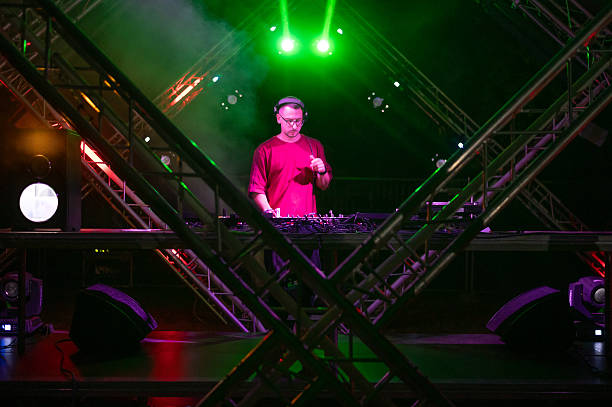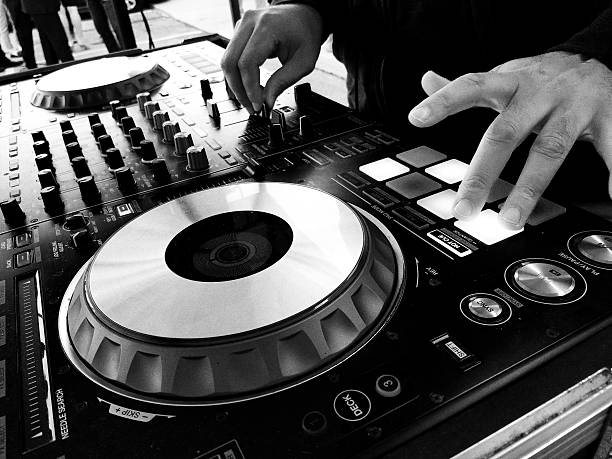
You’ve got the perfect build. The bass is rumbling, the crowd is locked in, and that four-bar loop feels like it could fuel a sunrise set at Panorama Bar. But then something shifts. Maybe it’s a subtle dip in energy from the floor. Maybe your intuition whispers that the next drop will feel stale. And you face the DJ’s ultimate internal battle: do you ride it out or cut it loose? Learning when to kill a track early is one of those skills they don’t teach you in YouTube tutorials, but it’s arguably the most important read in your arsenal when you’re navigating the basics of reading a crowd.
Let’s get one thing straight: there is no shame in pulling the plug on a record that isn’t serving the room. Holding onto a tune out of ego or because you spent thirty minutes crate digging for it is a trap. The crowd doesn’t know what you intended to play next—they only know how they feel right now. If a track starts to feel like it’s dragging, or you catch that split-second of phone-checking in the middle of the floor, you have permission to cut your losses. In DJ life, the best moments often come from the tracks you didn’t get to finish.
The most common sign that it’s time to kill a track early is when the energy plateaus instead of builds. A well-structured tune has a natural arc: tension, peak, release. But sometimes the producer didn’t design a proper crescendo, or maybe the room’s vibe changed because the last drink got spilled or the set time shifted. If you notice that the crowd’s collective body language goes from loose and flowing to static and waiting, that’s your cue. Your job isn’t to honor the track’s full duration; it’s to honor the floor’s momentum. Slamming a quick crossfader during a breakdown or using a loop to seamlessly transition out while the track is still playing can salvage the vibe before anyone even notices the switch.
Another time to kill early is when you’ve misjudged the key or the tempo for that specific moment. Maybe the BPM is perfect but the emotional weight feels off. A deep techno chugger might be gorgeous at home on headphones, but if the audience just came off a peak-time electro banger, that delicate pad intro will feel like someone pulled the emergency brake. Pay attention to those micro-expressions: the slight head tilt, the crossed arms. If you catch a dozen people looking at the booth like they’re confused, you have about fifteen seconds before they start drifting to the bar. Don’t wait. Punch in the next song that matches where they actually are, not where you wanted them to be.
There’s also the very real scenario where a track has technical problems. Maybe the record is warped, the digital file has a glitch, or the phrasing isn’t locking how you thought it would. Nothing kills a set faster than a DJ fighting a track that isn’t cooperating. Recognizing that moment and bailing out gracefully—even if it means a quick blend or a tight fade—shows maturity. The pros know that a smooth recovery from a misfire is better than a painful three-minute slog through something that isn’t clicking.
The hardest lesson for new DJs is killing a track that’s genuinely good but playing to the wrong crowd. You might have a heater from Larry Levan’s era that slays in a warehouse but falls flat in a poolside brunch set. Or a current Afro-house jam that’s huge in Ibiza but doesn’t resonate in a dark basement room. Reading the crowd means reading the context. If the energy is dipping because the genre doesn’t match the room’s expectations, pull it. Save that record for another night. The crowd’s trust is more valuable than any single track in your bag.
Finally, don’t be afraid to kill a track early just because you feel a better idea coming. Sometimes you’re mixing and a sudden flash of inspiration hits—a double drop, a key change, an acapella loop that will absolutely level the dance floor. That creative instinct is precious. If staying in the current track means you’ll miss the window of that perfect transition, cut it. The greatest DJs treat their set like a conversation, not a lecture. You don’t have to finish every sentence if the energy is calling for a new topic.
In the end, killing a track early isn’t failure. It’s a sign that you’re listening—not just to the music, but to the room, the moment, and your own gut. The dance floor doesn’t remember every track you played; it remembers how you made them feel. So when in doubt, trust the shift, cut the chord, and move on. Your next killer transition is waiting.