There’s a specific feeling you get when the bass hits your chest and you literally see the sweat dripping off the lasers, but instead of ten thousand strangers bumping into you, you’re surrounded by maybe three hundred people who all came for the exact same weird B-side you’ve been rinsing for months. That’s the boutique festival magic. Look, massive festivals have their place—the production is insane, the pyro is ridiculous, and you can cross off bucket-list artists like you’re collecting trading cards. But for actual DJs, the ones who live for the craft, the real sweet spot lives in those small, hand-picked gatherings where the lineup reads like a crate-digging fever dream and the sound system costs more than your car. It’s not about scale. It’s about intimacy, and intimacy does something wild to both sides of the booth.
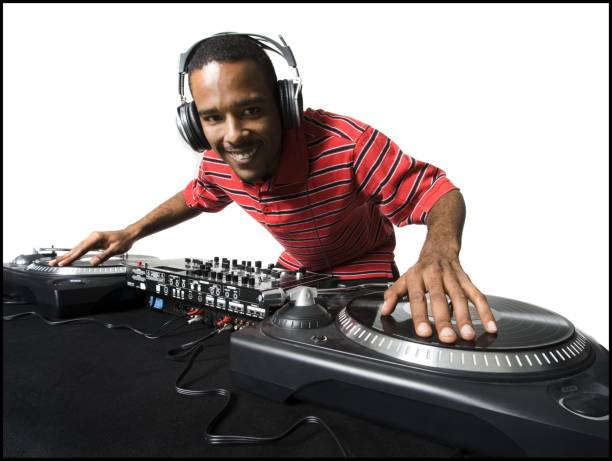
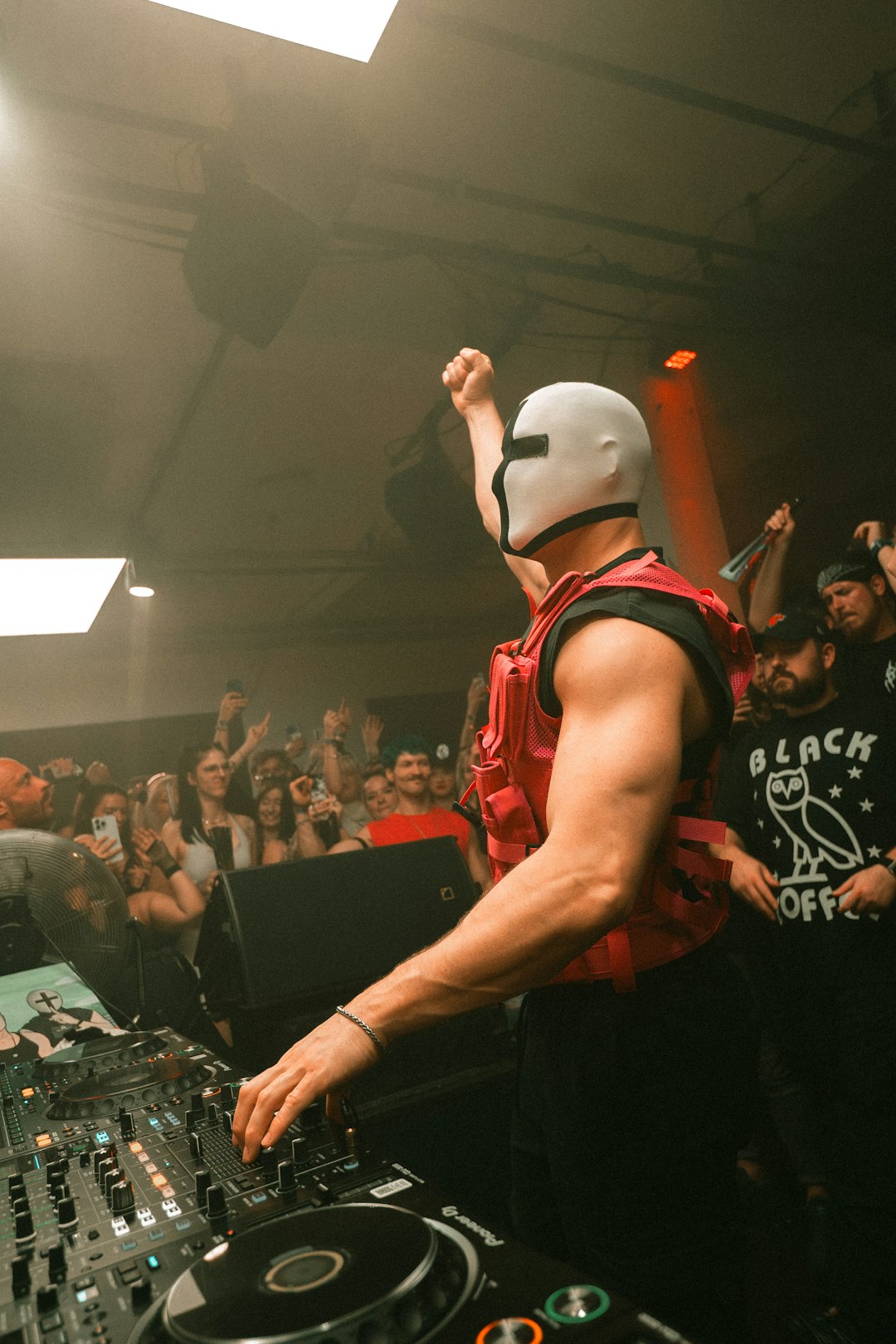
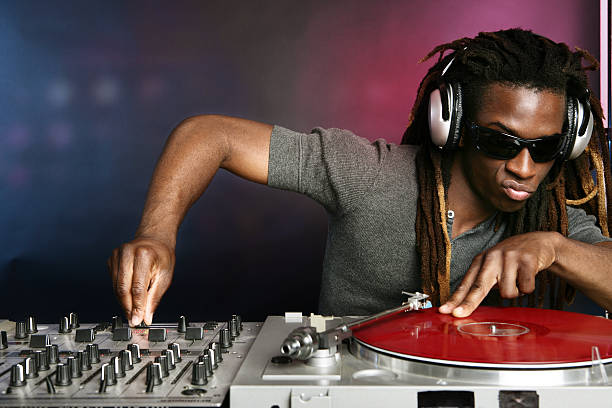
When you play a boutique festival, you’re not just another slot on a spreadsheet. You’re a curator, a shaman, a host. The crowd isn’t there to film everything on their phones; they’re there to vibe, to get lost in the music with zero expectations. That freedom changes your entire approach to track selection. You can open with a drone-y ambient piece that builds for fifteen minutes, drop a dusty Italo disco cut that nobody expected, then switch into a bassweight half-time riddim that would clear a mainstage in a hot minute. But here? The crowd leans in. They’re locked onto every sonic twist because they trust you. That trust is earned by the environment itself—the festival’s DNA, the lack of barriers, the way you can literally see the front row’s eye contact when you drop that one record you know they’ll lose their minds over. It’s a feedback loop that makes you a better DJ in real time.
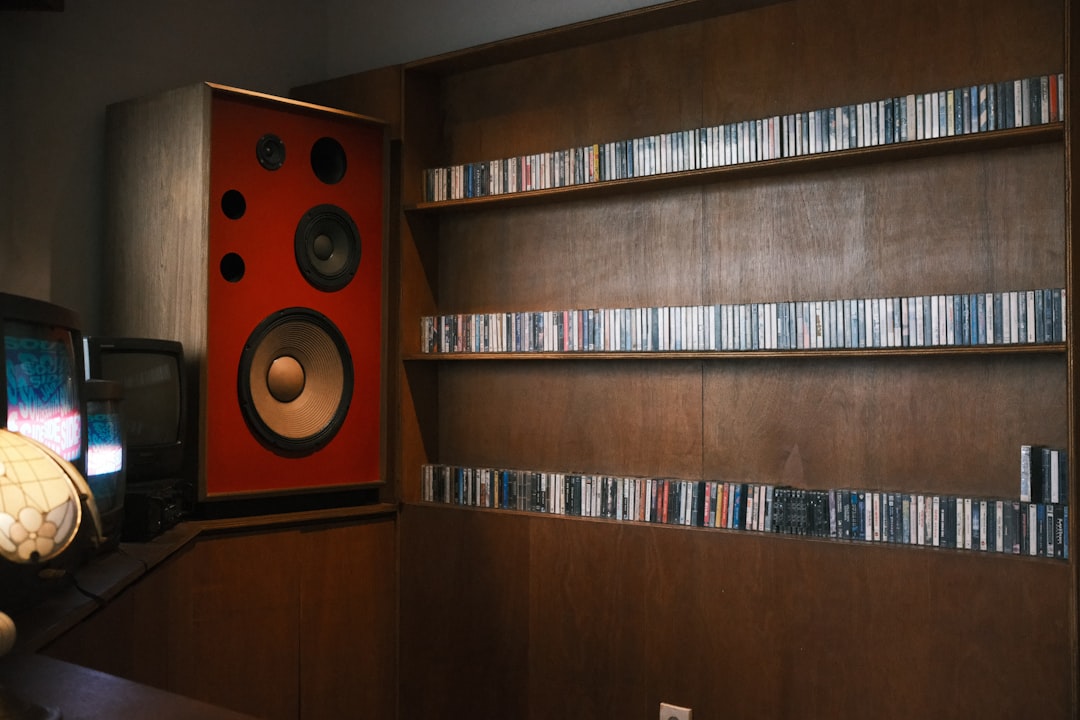
Let’s talk sound. Boutique festivals obsess over audio in a way that larger events often can’t afford to. When you only have a few hundred heads, the system doesn’t need to be a hundred thousand watts of muddled artillery. Instead, you get Funktion-One stacks or hand-tuned void systems in open-air groves, stone courtyards, or converted warehouse corners. The intimacy means the acoustics actually matter. You hear the texture of a vinyl crackle, the space between the kick and the snare, the ghostly reverb of a vocal that’s slipping in and out of the mix. For a DJ, that’s a playground. You’re not fighting slapback delay or that hollow cavern sound that kills subtlety. You can mix deeper, play with longer transitions, let tracks breathe. A hyper-clean, bass-forward system at a small setting is the difference between performing music and building a living soundscape around a community.
Then there’s the crowd itself. Boutique festivals curate a particular type of attendee. These are people who actively searched for something niche, who read the artist blurbs, who understand that a Thursday evening set by a lesser-known producer is worth more than a Saturday night mainstage with a headliner stuck behind a laptop. The vibe is less about “content” and more about collective experience. You’ll catch strangers exchanging knowing nods during a dusty house edit, or trading light-up toys during a breakbeat set. The plur energy hits different when it’s not a corporate slogan but a genuine social contract. For traveling DJs, this is gold. You’re not just playing a gig; you’re entering a temporary utopia where everyone’s on the same wavelength. And because the crowd is small, they’ll remember you. They’ll chase you to your next city. They’ll buy your Bandcamp releases at three in the morning after the last B2B goes sideways in the best way.
Many boutique festivals lean into weird, specific locations that become part of the soundscape. Think a cliffside rave in Portugal where the ocean crashes during a sunset ambient set, or a forest clearing in Oregon where the trees turn the percussion into natural echo chambers, or a floating dock party on a lake in Croatia where the boat lights reflect off the water and everyone’s barefoot. These places aren’t just venues—they’re collaborators. They force you to adapt your mixing style, to read the weather, to feel the energy shift when the sun dips below the treeline. That’s a challenge every serious DJ craves. You can’t rely on strobes and smoke to hypnotize the crowd. You have to use the environment itself as part of your performance. The rustle of leaves becomes an extra hi-hat. The distant hum of a generator becomes a drone layer. That’s not just DJing; that’s world-building.
And let’s not ignore the practical side. Boutique festivals are where connections get made. Because the artists and organizers and vendors are all tangled up in the same small space, you’re likely to end up sharing a campfire or a morning espresso with a label owner who’s looking for new talent. Your demo isn’t lost in an email inbox; it’s handed over in person, with a handshake. That’s career fuel. Plus, selectors actually get to hang out after their set. No immediate van escort to a green room. You can stay for the sunrise, vibes with the next DJ, compare track ID hunting stories, and maybe even jump into an impromptu B2B on a backstage system. That’s how you grow, both as a DJ and as a human. The festival becomes less of a gig and more of a family reunion for sonic weirdos.
So yeah, the mega-fests will always have their spectacle. But for the DJ who lives for the weird pockets, the headnod moments, the eye contact during a breakdown that goes exactly one more bar than expected—boutique festivals are the cheat code. They’re the sandbox where you can test your wildest mixes, where the crowd becomes the mixer, where the sound system is your best friend, and where you leave with new friends, new musical obsessions, and maybe a newfound love for crumbling castle walls as a visual anchor. That’s the magic. Small size, massive soul. If you haven’t booked one yet, get on it. Your ears and your heart will thank you.