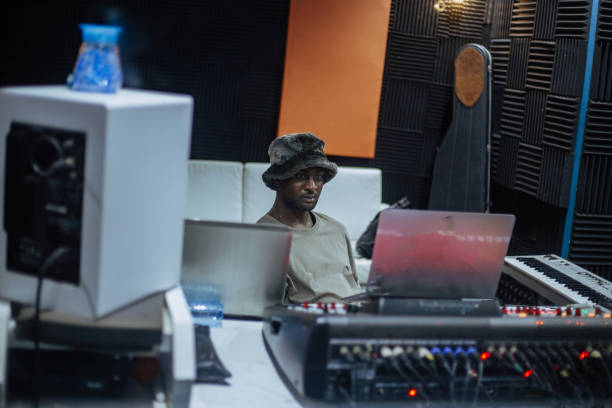
The green room can be a weird place. One minute you’re laughing with the opener, the next you’re staring at a wall, replaying every transition you’ve ever flubbed while your stomach does a full drum fill. Pre-set anxiety is normal, especially when you’re traveling, sleep-deprived, and about to play to a room that has been waiting all week for this. The goal isn’t to delete the nerves. That would be boring and honestly impossible. The goal is to manage the backstage brain so the adrenaline works for you instead of turning your set into a panic scroll.
First move: protect your arrival window. If you roll in five minutes before your set, your brain has no time to settle, and every tiny issue—missing cable, weird monitor, someone asking for a favor—feels like a crisis. Give yourself a buffer. Not so much that you sit around marinating in nerves, but enough to check the booth, talk to sound, and let your body understand that you’re safe. A lot of backstage spiraling is just your nervous system being like, “bro, something big is happening.” You can answer with logistics: water, where’s the bathroom, where’s your USB, what’s the plan if the CDJ acts up. Concrete answers calm the brain faster than telling yourself to chill.
Then build a reset ritual that takes less than ten minutes. It can be simple: phone on airplane mode, a few slow breaths, a short walk, a stretch, a sip of water, one song that makes you feel untouchable. The exact routine matters less than the repetition. Rituals tell your brain, “we’ve done this before, we know how to do this.” Breathwork is low-key OP here. Try a longer exhale than inhale—like four counts in, six or eight out. That nudges your parasympathetic nervous system into the chat and helps pull you out of fight-or-flight. You don’t need to become a meditation influencer. You just need to slow the spin.
Watch the caffeine and nicotine, too. Travel days and late sets make it tempting to stack espresso, energy drinks, and vape hits until your heart is doing a 170 BPM set of its own. A little caffeine is fine; a lot can turn normal pre-set jitters into full-body static. Same with doomscrolling. The phone is an anxiety multiplier. You check one message, then the group chat, then the comments, then suddenly you’re comparing your career to someone’s highlight reel while your set is in twenty minutes. Put the phone away or hand it to a friend. The timeline will survive without you.
Reframing helps more than forcing calm. Nerves and excitement are cousins; your body is amped because this matters. Instead of “I’m nervous, something is wrong,” try “I’m activated, I’m ready, I care about this.” That small language shift can stop the spiral. Keep your setlist as an anchor, not a script. Have a few opening tracks and a couple of emergency bangers, then leave room to read the room. Over-planning every transition can make you rigid, and rigidity is where panic loves to hang out. Trust your ears, trust your prep, and let the set breathe.
Don’t forget the body. Backstage brain management is not just mindset; it’s also blood sugar, hydration, and posture. Eat something small and boring before you play. Drink water before you’re thirsty. Roll your shoulders out. If you’re in a cold green room, put on a hoodie. Physical discomfort quietly tells your brain that something is off, so handle the basics. And if you’re traveling with a team, say what you need. “I need ten minutes quiet” is not diva behavior. It’s maintenance.
After the set, don’t immediately judge everything you did. The post-set brain is dramatic and unreliable. Give yourself a grace period before analyzing. A quick note about what worked is better than a forensic investigation of every tiny mistake. The DJs who last are not the ones who never get nervous. They’re the ones who learn how to bring their nervous system with them—backstage, onstage, and back to the hotel. Manage the brain, keep the edge, and let the music do the loud part.