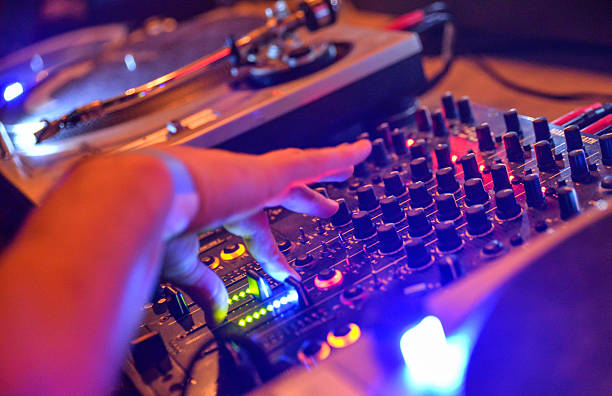
There’s a special kind of chaos that happens when a club holds 150 people max and the subwoofer is basically flirting with your ribcage. Big rooms get the headlines, but micro clubs with big sound are the true connoisseur’s move. These are the spots where the dancefloor is close enough to see the DJ’s hands, the booth isn’t a fortress, and every kick drum feels like a group chat notification straight to the sternum. If your bucket list is all mega-clubs and festival main stages, you’re sleeping on the intimacy flex.
The magic isn’t just “small room equals cool.” It’s physics, curation, and boundaries. A tiny club can make a properly tuned system feel absurdly powerful because the space doesn’t eat the low end or smear the highs. Engineers can dial in delays, corner-load subs, and treat the room so the sweet spot isn’t a VIP table—it’s the middle of the floor, sweaty and shoulder-to-shoulder. In a 200-cap room, a great system doesn’t need to be loud to hit hard. It needs to be clean. When the sound is tight, you hear the texture of a hi-hat, the space around a vocal, the little tape hiss before a drop. That detail is the difference between “that was fun” and “I need to know exactly what cartridge the DJ was using.”
Micro clubs also change how DJs play. In a big room, you’re often mixing for the back wall, dealing with echo, and trying to make the drop land for someone 60 feet away. In a tiny room, you can be more adventurous. The crowd is right there. You can read faces, lock eyes, take a left turn into weirdo disco, and watch the room decide whether to follow. The best micro-club DJs don’t just bang out bangers; they build a conversation. They know the room’s system has a specific character—maybe the subs are warm and round, maybe the monitors are brutally honest—and they play to it. That’s why so many bucket-list nights are whispered about rather than posted. The room is too dark, the capacity is too small, and the sound is too good to capture on a phone.
There’s also a dress-code-less, no-frills energy that hits different. Micro clubs tend to be basement spots, former workshops, listening bars with a late-night license, or a door you’d walk past if you didn’t know. You’re not there for the bottle service or the content. You’re there for the function. Wear something you can sweat in, bring earplugs that actually protect your hearing, and leave the giant camera at home. The crowd is usually a mix of locals, sound nerds, and travelers who did their research. That mix keeps the vibe grounded. People aren’t competing for space; they’re sharing it. When a track finally breaks open, the reaction is collective, not performative. Everyone feels the same sub hit at the same time, and that shared “oh damn” is the whole point.
For traveling DJs and fans, micro clubs are also a reality check. They remind you that a night out isn’t automatically better because the ceiling is higher or the LED wall is bigger. A well-tuned 100-cap room can outgun a cavernous venue with a muddy system and a distracted crowd. If you’re building a global clubbing bucket list, make room for the small rooms. Look for venues with a reputation for sound-first curation, resident DJs who actually get to warm up, and a capacity that feels slightly too small for the artist. Those are the places where you’ll hear a record properly, meet actual locals, and leave with ringing ears you earned—but please, protect them.
The micro-club era is a reminder that clubbing is a sensory thing, not a scale thing. Big sound doesn’t require a big room. Sometimes it just requires a room that respects the music, a system that’s been tuned with care, and a crowd that’s willing to get close. That’s the bucket-list flex: not the biggest club in the city, but the tiny one everyone in the know keeps going back to.